
.jpeg)
How should the usage and dosage of Obeticholic acid be adjusted?
Obeticholic acid (Obeticholic acid), as a new farnesoid X receptor (FXR) agonist, plays an important role in the treatment of chronic cholestatic liver disease, especially **primary biliary cholangitis (PBC)**. Due to abnormal bile acid metabolism and persistent liver damage in PBC patients, obeticholic acid regulates bile acid synthesis and efflux by activating FXR, helping to improve cholestasis indicators and slow down disease progression. This mechanism of action is supported by multiple clinical guidelines and drug instructions.
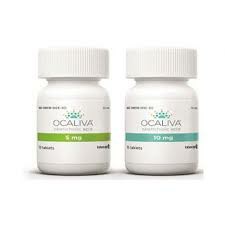
In clinical practice, the "usage and dosage adjustment" of obeticholic acid emphasizes both safety and efficacy. For most patients with PBC, treatment should be initiated at a lower dose to allow the liver sufficient time to adapt to the effects of this drug on hepatobiliary physiology and to reduce common side effects such as itching. The currently recommended starting dose is 5 mg orally once daily, and this dose is usually continued for about three months to initially assess the patient's tolerance to the drug and biochemical response. Regular monitoring of serum alkaline phosphatase (ALP) and total bilirubin during this phase is critical to evaluate efficacy.
If after approximately three months of treatment, the patient'sALP and/or total bilirubin levels have not reached the desired improvement target, and the patient tolerates obeticholic acid well, the dose can be increased to the maximum conventional dose of 10 mg per day. It should be emphasized that dose increases should be based on objective laboratory test results and the patient's overall clinical performance, rather than solely relying on symptom changes.
In short, the adjustment of obeticholic acid usage and dosage is a gradual process based on continuous monitoring of liver function and patient tolerance. Starting with a low dose initially and then gradually increasing the dose based on biochemical reactions and clinical evaluation is not only a strategy to improve efficacy, but also a necessary measure to ensure patient safety. Dosage adjustments should be closely aligned with individual liver function and side effect tolerance to achieve optimal therapeutic efficacy.
Reference materials:https://www.drugs.com/obeticholic-acid.html
[ 免责声明 ] 本页面内容来自公开渠道(如FDA官网、Drugs官网、原研药厂官网等),仅供持有医疗专业资质的人员用于医学药学研究参考,不构成任何治疗建议或药品推荐。所涉药品可能未在中国大陆获批上市,不适用于中国境内销售和使用。如需治疗,请咨询正规医疗机构。本站不提供药品销售或代购服务。


