
.jpeg)
On the MRD response of o plus itutuzumab plus dasatinib in Ph+ ALL
In a phase II study of newly diagnosed Philadelphia chromosome-positive acute lymphoblastic leukemia (Ph-positive ALL), researchers systematically evaluated the tyrosine kinase inhibitor dasatinib (Dasatinib) combined with oplus ituzumab (Inotuzumab Ozogamicin)-The efficacy and safety of Besponsa as an induction treatment regimen. The study was announced at the 2025 ASH Annual Meeting and Exposition, and its results provide important evidence-based basis for chemotherapy-free or low-intensity treatment strategies for Ph-positive ALL.
From the perspective of overall efficacy, among the 21 patient cohorts included in the analysis, the combination regimen demonstrated extremely outstanding deep molecular remission capabilities. Studies have shown that most patients can achieve high-level molecular responses within a short treatment period. Minimal residual disease (MRD) was assessed by next-generation sequencing technology. By the end of the third course of treatment, all patients in the entire cohort achieved MR4 or MRD-negative status, with a detection sensitivity of 10⁻⁶. Among them, about 90% of patients achieved MR4 level, and the remaining patients showed MR3 or complete response (CR). From the perspective of treatment course progression, within the first three courses of treatment, approximately 90% of patients have achieved MR4 or deeper molecular remission, demonstrating the significant advantages of this combined induction regimen in rapidly clearing leukemia clones.
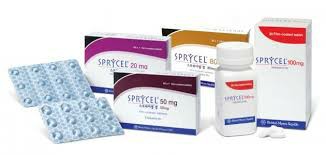
The study also further optimized and analyzed different treatment options. The improved protocol (Protocol 2) used in the trial performed particularly well in terms of safety, successfully avoiding the risk of veno-occlusive disease (VOD) previously associated with oplus itolizumab. Among the 14 patients treated with regimen 2, no VOD events or dose-limiting toxicities were observed, suggesting the importance of this dosing strategy in reducing serious complications. From the perspective of efficacy, Scheme 2 also maintained a high level of molecular response rate. At the end of the second course of treatment, the MR4 ratio exceeded half, and the remaining patients also reached MR3 or complete remission, reflecting stable and in-depth disease control capabilities. By the end of the third course of treatment, the best response of this subgroup of patients was almost all MR4, and a few patients maintained complete remission, further proving the effectiveness and reproducibility of the optimized protocol.
In terms of survival outcomes, the median follow-up time is approximately2.1 years. The two-year overall survival rate of the entire cohort has reached a relatively high level, and the survival curve shows a relatively durable disease control effect. It is noteworthy that only one systemic disease relapse was recorded during follow-up, and no cases of central nervous system relapse were observed, which has important clinical significance in the high-risk population of Ph-positive ALL. In addition, none of the patients in the study received allogeneic hematopoietic stem cell transplantation, but still achieved encouraging molecular depth of response and survival results, suggesting that this combination may reduce dependence on transplantation in some patients.
Overall, thisPhase II study shows that dasatinib combined with ogitazumab as induction therapy can quickly and deeply eliminate minimal residual disease in newly diagnosed Ph-positive ALL patients, while significantly improving the safety profile through protocol optimization. Patients can still achieve stable and durable disease control without allogeneic transplantation. This result not only supports the further verification of this protocol in subsequent clinical studies, but also provides an important reference for the development of Ph-positive ALL treatment strategies in the direction of "high efficiency, low toxicity, and deep molecular remission."
References: UpdatedDecember 15, 2025, https://www.onclive.com/view/dr-patel-on-mrd-responses-with-inotuzumab-ozogamicin-plus-dasatinib-in-ph-all
[ 免责声明 ] 本页面内容来自公开渠道(如FDA官网、Drugs官网、原研药厂官网等),仅供持有医疗专业资质的人员用于医学药学研究参考,不构成任何治疗建议或药品推荐。所涉药品可能未在中国大陆获批上市,不适用于中国境内销售和使用。如需治疗,请咨询正规医疗机构。本站不提供药品销售或代购服务。


