
.jpeg)
What are the contraindications to fezolinetant?
Fezolinetant's safety profile is considered generally manageable, but may not apply to all menopausal women. Clarification of contraindications is an important prerequisite for rational use of the drug and reduction of potential risks. Judging from international regulatory documents and pharmacological data, the contraindications of fezonatant are mainly concentrated in three aspects: liver function, renal function, and drug interactions. These limitations are closely related to its metabolic pathways and in vivo pharmacokinetic characteristics.
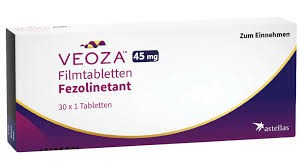
First, women with known cirrhosis of the liver are explicitly listed as contraindicated groups. Fezonatant is mainly metabolized by specific enzyme systems in the liver. Severe damage to liver structure and function will significantly alter the drug clearance process, thereby increasing the risk of in vivo exposure. Overseas medication recommendations generally believe that using this drug in the context of liver cirrhosis may increase the burden on the liver and even mask or amplify potential adverse reactions, so it is not recommended to try it in such patients.
Secondly, patients with severe renal impairment or end-stage renal disease are also not suitable for use of fezonatant. Although the drug is not mainly excreted by the kidneys, severe renal dysfunction is often accompanied by changes in the systemic metabolic environment, including drug distribution, protein binding rate, and clearance efficiency of metabolites. Overseas reviews in the field of nephrology and gynecology pointed out that there are limited safety data on the use of new centrally acting drugs in end-stage renal disease patients, and it is a more prudent strategy to be cautious or even avoid their use.
In addition, concomitant use with CYP1A2 inhibitors is one of the important contraindications for fezonatant. CYP1A2 is one of the key enzyme systems involved in its metabolism. If it is combined with drugs that strongly or moderately inhibit this enzyme, it may lead to an increase in the plasma concentration of fezonatant, thereby increasing the risk of adverse reactions. In overseas clinical practice, doctors usually evaluate the patient's long-term medication history in detail before prescribing to avoid potential drug interactions. This is especially important for middle-aged and elderly women who coexist with multiple diseases and take medicine for a long time.
Reference materials:https://www.veozah.com/about-veozah
[ 免责声明 ] 本页面内容来自公开渠道(如FDA官网、Drugs官网、原研药厂官网等),仅供持有医疗专业资质的人员用于医学药学研究参考,不构成任何治疗建议或药品推荐。所涉药品可能未在中国大陆获批上市,不适用于中国境内销售和使用。如需治疗,请咨询正规医疗机构。本站不提供药品销售或代购服务。


