
.jpeg)
Introduction to fezolinetant
Fezolinetant is an innovative oral drug that has received great attention in the field of international menopausal treatment in recent years. Its core mechanism of action is neurokinin 3 (NK3) receptor antagonism. Different from the traditional treatment idea that focuses on estrogen supplementation, fizonaitant does not directly interfere with sex hormone levels, but starts from the hypothalamic temperature regulation center to specifically regulate the common vasomotor symptoms of menopausal women. This "non-hormonal path" treatment concept has made it regarded as an important supplement to the menopausal management model overseas, and also provides a new medical option for some women who are not suitable for or unwilling to use hormone therapy.
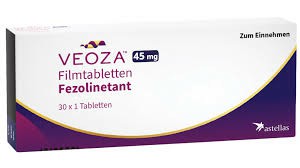
From a pathophysiological perspective, fluctuations in estrogen during menopause can affect the stability of hypothalamicKNDy neurons, which in turn leads to a narrowing of the temperature regulation threshold and triggers vasomotor symptoms such as hot flashes and night sweats. NK3 receptors play a key regulatory role in this neural network. Fezonatant helps restore the stable state of the body temperature center by selectively blocking NK3 receptor signaling, thereby reducing the frequency and intensity of symptoms. This mechanism has been repeatedly discussed in many overseas medical journals and endocrinology reviews, and is also considered to be its core value that distinguishes it from traditional menopausal drugs.
In terms of medication, Fezonatant is an oral preparation, and the recommended dose is 45 mg each time Once a day, it can be taken with a meal or on an empty stomach. Medication compliance is relatively good. Overseas medication guidelines emphasize that baseline blood tests should be performed before starting treatment, focusing on assessing liver function-related indicators. This is because the drug is mainly metabolized by the liver, and early identification of potential risks can help improve medication safety. During the treatment process, it is usually recommended to conduct follow-up testing 3 months, 6 months and 9 months after taking the drug. If the patient develops symptoms suggesting liver damage such as fatigue, loss of appetite, jaundice, etc., relevant indicators should also be reviewed in a timely manner.
Reference materials:https://www.drugs.com/mtm/fezolinetant.html
[ 免责声明 ] 本页面内容来自公开渠道(如FDA官网、Drugs官网、原研药厂官网等),仅供持有医疗专业资质的人员用于医学药学研究参考,不构成任何治疗建议或药品推荐。所涉药品可能未在中国大陆获批上市,不适用于中国境内销售和使用。如需治疗,请咨询正规医疗机构。本站不提供药品销售或代购服务。


