
.jpeg)
Detailed explanation of the correct way to take Omarigliptin and precautions
Ologliptin is a new type of oral hypoglycemic drug, which belongs to the class of dipeptidyl peptidase-4 inhibitors (DPP-4 inhibitors). It is mainly used for blood sugar control in patients with type 2 diabetes. Its pharmacological effect is to prolong glucagon-like peptide-1(GLP-1 span>) and glucose-dependent insulin secretagogue peptide (GIP), thereby promoting the secretion of insulin by pancreatic β cells and inhibiting the secretion of glucagon by α cells to achieve the effect of lowering blood sugar. Ologliptin only needs to be taken once a day, making it a convenient medication choice for many patients with type 2 diabetes. However, the correct taking method and precautions are crucial to ensure efficacy and safety.
Ologliptin is generally recommended to be taken orally once a day at a fixed time, either before or after a meal. Tablets should be swallowed whole and should not be chewed or crushed to avoid affecting drug absorption and efficacy. For adults with normal renal function, the usual recommended dose is 25 mg once weekly, and the specific dose should be individually adjusted based on the doctor's evaluation and the patient's blood sugar level. If patients have moderate or severe renal insufficiency, dose adjustment or careful monitoring of blood glucose changes may be necessary to avoid adverse reactions caused by hypoglycemia or drug accumulation. During long-term medication, patients should regularly monitor blood sugar levels and renal function indicators to ensure that the medication works within a safe range.
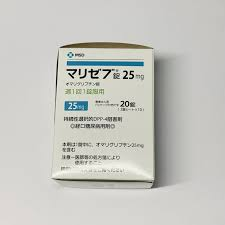
During the medication process, patients also need to pay attention to the combination with other hypoglycemic drugs. Ologliptin can be used in combination with metformin, sulfonylureas or insulin, but the risk of hypoglycemia may increase during combined treatment, so patients should closely observe changes in blood sugar and adjust the dose as directed by their doctor. If symptoms of hypoglycemia such as dizziness, fatigue, palpitations or sweating occur, emergency measures such as carbohydrate supplementation should be taken immediately. In addition, patients should avoid increasing or decreasing the dosage on their own during medication, and any adjustments must be made under the guidance of a doctor to prevent unstable blood sugar control or serious complications.
The safety profile of ologliptin is generally good, but some side effects may still occur, including upper respiratory tract infection, headache, gastrointestinal discomfort, etc. Patients should pay attention to their own body reactions while taking the medicine. If abnormalities such as persistent nausea, vomiting, diarrhea or rash occur, they should seek medical treatment in time. In addition, there is currently a lack of sufficient safety data for pregnant women, lactating women, and children, and they should be used with caution or avoided. Elderly patients should also pay attention to blood sugar fluctuations and changes in renal function while taking the medication. Taken together, as a convenient long-acting oral hypoglycemic drug, ologliptin can effectively control blood sugar levels within a safe range, improve patients' quality of life, and reduce the risk of diabetes-related complications through reasonable taking methods, individualized dose adjustment, and strict monitoring of blood sugar and physical conditions.
Reference materials:https://zh.wikipedia.org/zh-hans/%E5%A5%A5%E6%A0%BC%E5%88%97%E6%B1%80
[ 免责声明 ] 本页面内容来自公开渠道(如FDA官网、Drugs官网、原研药厂官网等),仅供持有医疗专业资质的人员用于医学药学研究参考,不构成任何治疗建议或药品推荐。所涉药品可能未在中国大陆获批上市,不适用于中国境内销售和使用。如需治疗,请咨询正规医疗机构。本站不提供药品销售或代购服务。


