
.jpeg)
Long-term safety of crizotinib (Xalkori) and recommendations for the longest course of treatment
Crizotinib is a commonly used targeted drug for ALK and ROS1 positive non-small cell lung cancer. Its long-term safety has been supported by mature data in multiple clinical trials and real-world studies. Generally speaking, under the premise of regular monitoring and correct management of adverse reactions, most patients can take it more stably for a long time, and the safety is relatively controllable. The most common side effects include abnormal eye vision, gastrointestinal discomfort, mild to moderate elevation of liver enzymes, and peripheral edema. Most of these are obvious in the early stages of treatment, then tend to stabilize, and do not necessarily affect long-term medication. A small number of patients will develop abnormal liver function or slowed heart rate, which requires dynamic monitoring by doctors. Rare cases that require high attention include interstitial lung disease and severe liver toxicity.
Judging from the results of long-term medication studies, the average duration of medication often depends on disease control. Many ROS1 positive patients continued to take the drug for more than two to three years in real-world data, and individual patients maintained stable disease even after four to five years of treatment. As long as the tumor does not progress significantly, the patient tolerates it well, and the liver and kidney function and cardiac monitoring results are stable, crizotinib can be used continuously as long-term maintenance treatment, and there is no "maximum period" specified in the instructions. Therefore, patients do not have to voluntarily stop taking the drug because of the number of years they have been taking it. The key lies in regular follow-up and management of adverse reactions.
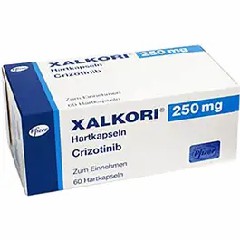
In terms of safety monitoring, patients taking long-term medication need to focus on liver function, electrocardiogram, blood routine and lung function. There should be a baseline examination before treatment. It is recommended to test liver function every two weeks to every month for the first two months after treatment. After that, it can be adjusted to re-examination every to three months according to the stable situation. If ALT, AST continues to increase, obvious bradycardia or unexplained respiratory symptoms occur, the doctor should be notified immediately to determine whether the drug needs to be temporarily discontinued or the dose reduced. More intensive monitoring is also recommended for patients with underlying heart disease, liver dysfunction, and long-term use of other drugs.
As for the recommendation on the longest course of treatment, international guidelines and clinical consensus agree that crizotinib can be taken until disease progression or intolerability, and there is no set "fixed course of treatment". In other words, if the patient's condition is stable, there is no progression in imaging studies, and the adverse reactions are controllable, he can continue to take the drug without worrying about "taking the drug for too long" and stopping the drug early. It should be emphasized that once the disease develops drug resistance or progresses, doctors will decide whether to replace the second or third generation ALK/ROS1 inhibitor based on the genetic test results, rather than increasing the dose or continuing long-term ineffective treatment. Therefore, the best long-term strategy is to insist on regular review, follow medical advice and standardize the management of adverse reactions to ensure that crizotinib can exert its maximum therapeutic value within a safe range.
Reference materials:https://pubmed.ncbi.nlm.nih.gov/24756793/
[ 免责声明 ] 本页面内容来自公开渠道(如FDA官网、Drugs官网、原研药厂官网等),仅供持有医疗专业资质的人员用于医学药学研究参考,不构成任何治疗建议或药品推荐。所涉药品可能未在中国大陆获批上市,不适用于中国境内销售和使用。如需治疗,请咨询正规医疗机构。本站不提供药品销售或代购服务。


