
.jpeg)
Which generation of targeted drugs does Crizotinib (Xalkore) belong to and analysis of its clinical advantages
Crizotinib is generally classified as a first-generation ALK targeted drug. It also has the characteristics of a multi-target small molecule tyrosine kinase inhibitor that inhibits ROS1 and MET and other targets. As one of the earliest drugs used to treat ALK-positive non-small cell lung cancer, it has been used in clinical practice around the world for many years, and its efficacy and safety are supported by sufficient evidence. The first generation of targeted drugs are characterized by clear mechanisms, rapid onset of action, and good tumor shrinkage rates for patients with early-detected ALK fusion mutations. These advantages have also made crizotinib the initial treatment option for many patients.
In terms of clinical efficacy, crizotinib can significantly improve the progression-free survival of ALK-positive and ROS1-positive lung cancer patients, especially when the drug is first used, symptoms tend to be relieved quickly, including the reduction of cough, dyspnea, bone pain and other symptoms. A large amount of real-world data also shows that crizotinib can achieve a high disease control rate, and its tumor shrinkage response to some patients is stable and sustained. Its oral administration method further improves patients' treatment compliance, makes long-term management more convenient, and helps improve quality of life.
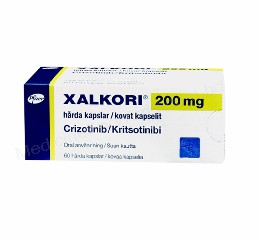
Although crizotinib is a first-generation targeted drug, it still exhibits unique clinical advantages, including significant efficacy in ROS1 fusion lung cancer, which is not possessed by some other ALK targeted drugs. In addition, the stable performance of crizotinib in the initial treatment phase has enabled it to maintain its long-term recommendation status in many guidelines around the world. For patients with low need for brain metastasis control and relatively light disease burden, crizotinib remains a reasonable and relatively low economic burden treatment option.
However, with the prolongation of treatment time, some patients may develop disease progression in the later stage due to drug resistance mechanisms (such asALK secondary mutations, activation of bypass pathways, etc.). In this case, clinical practice usually chooses higher-generation ALK inhibitors, such as second- or third-generation drugs, to continue to control the disease. However, the value of crizotinib as initial therapy has not diminished, and it still occupies an important position in all ALK-targeted therapy systems. Through a reasonable sequential treatment strategy, crizotinib can help patients obtain longer overall survival time.
Reference materials:https://go.drugbank.com/drugs/DB08865
[ 免责声明 ] 本页面内容来自公开渠道(如FDA官网、Drugs官网、原研药厂官网等),仅供持有医疗专业资质的人员用于医学药学研究参考,不构成任何治疗建议或药品推荐。所涉药品可能未在中国大陆获批上市,不适用于中国境内销售和使用。如需治疗,请咨询正规医疗机构。本站不提供药品销售或代购服务。


