
.jpeg)
Common side effects and treatment methods of tilpotide/tirsiparatide (Mufenda)
Tirzepatide (Tirzepatide) is a new drug that simultaneously activates GLP-1 and GIP receptors. It has shown strong hypoglycemic and significant weight loss effects in the management of 2 type 2 diabetes and obesity. However, like all metabolic drugs, Tirzepatide may also cause a variety of side effects in clinical application, and its incidence is related to the dose, speed of administration, individual gastrointestinal tolerance and underlying disease conditions. In order to help patients use this product more safely, it is necessary to have a comprehensive understanding of common adverse reactions and corresponding treatment strategies, so as to achieve "early identification, early intervention, and avoid aggravation" during the treatment process.
First of all, the most common adverse reactions come from the gastrointestinal tract, including nausea, vomiting, loss of appetite, diarrhea and constipation. The main reason is that the drug delays gastric emptying, reduces appetite, and affects intestinal peristalsis after activating GLP-1 receptors. This type of reaction usually occurs during the initial dose phase or when the dose is increased. It is usually mild to moderate and transient, and usually gradually resolves within a few weeks after continued use. In order to reduce symptoms, it is recommended that patients start with a low dose and strictly follow the stepwise dosage increase plan set by the doctor to better adapt to the effects of the drug. In terms of diet, you can choose to eat small meals frequently and avoid high-fat and greasy foods. When nausea occurs, you can drink warm water or use ginger tea to relieve nausea. If the reaction is severe, you can communicate with your doctor to delay the dose increase or temporarily reduce the dose as appropriate. If frequent vomiting leads to dehydration, you should rehydrate in time and go to the hospital for treatment if necessary.
In addition to gastrointestinal symptoms, hypoglycemia, although uncommon, may occur in patients concurrently taking sulfonylureas or insulin. Tirzepatide itself has a low risk of hypoglycemia, but special attention should be paid to blood sugar fluctuations when used in combination with other antidiabetic drugs. To avoid hypoglycemia, the basal dosage needs to be evaluated before starting combination therapy and the dose of insulin or sulfonylurea should be reduced as appropriate. Patients should learn to recognize the symptoms of hypoglycemia, such as palpitations, dizziness, sweating, hunger, etc. Once they occur, they should immediately add sugary drinks or carry glucose tablets. For patients with renal insufficiency, older age, or irregular diet, closer blood glucose monitoring is required to ensure the safety of treatment.
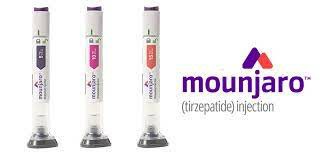
In addition, Tirzepatide may cause injection-related reactions, such as redness, swelling, itching or mild pain at the injection site, which are mostly mild and short-lived. Discomfort can be reduced by rotating injection sites, allowing the solution to return to room temperature in advance, and using fine needles. If induration or allergic reaction occurs, you should consult your doctor to confirm whether the injection method needs to be adjusted or the site changed. A very small number of patients may develop systemic allergies, such as rash or difficulty breathing. This is a serious reaction and requires immediate discontinuation of the drug and medical attention.
Among the less common adverse reactions that require vigilance, pancreatitis is one of the potential risks of allGLP-1 related drugs. If persistent epigastric pain accompanied by nausea or vomiting occurs, discontinue medication immediately and seek medical evaluation. Although the current research is not yet clearTirzepatidesignificantly increases the risk of pancreatitis, but patients with a history of pancreatitis should use it with special caution. A rare number of patients may develop gallbladder problems, such as gallstones or cholecystitis, which are associated with rapid weight loss caused by the drug. Symptoms include pain in the right upper quadrant or yellowing of the skin. Once it occurs, you must seek medical attention promptly and assess the risks of continuing to take the medication based on the situation.
In terms of cardiovascular reactions, Tirzepatide may cause a slight increase in heart rate in some patients, which usually has no obvious clinical symptoms, but should be monitored more intensively in patients with a history of serious heart disease or arrhythmia. In contrast, drug-induced weight loss, improved blood sugar, and reduced inflammation may have long-term benefits for the cardiovascular system, so the risks and benefits need to be assessed in the context of the patient's overall condition.
In summary, the side effects of tilpotide are generally controllable, and most of them are obvious during the dose adjustment period. By starting with a low dose, making gradual adjustments, paying attention to diet, monitoring blood sugar, and following regular follow-up visits, most patients can successfully adapt to the medication. When facing adverse reactions, you should not stop taking the medication on your own, but should consult your doctor promptly to jointly develop a management strategy. Under professional guidance, Tirzepatide can reduce blood sugar and weight while minimizing the risk of adverse reactions, providing patients with a more stable and safe treatment experience.
Reference materials:https://www.nlm.nih.gov/
[ 免责声明 ] 本页面内容来自公开渠道(如FDA官网、Drugs官网、原研药厂官网等),仅供持有医疗专业资质的人员用于医学药学研究参考,不构成任何治疗建议或药品推荐。所涉药品可能未在中国大陆获批上市,不适用于中国境内销售和使用。如需治疗,请咨询正规医疗机构。本站不提供药品销售或代购服务。


