
.jpeg)
Elotuzumab vs. tocilizumab
Although Elotuzumab (Elotuzumab) and tocilizumab (Tocilizumab) are both monoclonal antibody drugs in biological agents, they have essential differences in target selection, indication direction, immune regulation methods and clinical application scenarios. Systematic comparison from a medical professional perspective will help patients and clinical staff correctly understand the positioning of these two drugs and avoid medication misunderstandings due to similar names.
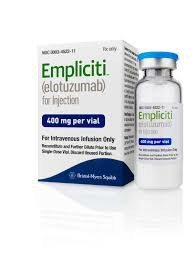
Evolizumab is an immunomodulatory monoclonal antibody targetingSLAMF7 (also known as CS1), mainly used in the field of multiple myeloma (MM). SLAMF7 is highly expressed on the surface of myeloma cells and natural killer cells. Evolizumab does not directly kill tumor cells, but enhances the antibody-dependent cytotoxicity mediated by natural killer cells, thereby improving the body's immune clearance of myeloma cells. This mechanism determines that evolizumab is usually not used as a single agent, but is used in combination with lenalidomide, pomalidomide or dexamethasone to play a synergistic effect in the treatment of relapsed or refractory multiple myeloma. Judging from overseas research and clinical practice, its advantage is that the immune activation pathway is relatively precise, has little impact on the normal hematopoietic system, and places more emphasis on long-term disease control and immune microenvironment regulation.
Tocilizumab is a monoclonal antibody targeting the interleukin-6 (IL-6) receptor and is a classic anti-inflammatory immunosuppressive biological agent. IL-6 plays a central role in a variety of autoimmune diseases and inflammatory reactions, participating in inflammatory cascade amplification, immune cell activation and the production of acute phase response proteins. Tocilizumab significantly reduces systemic inflammation levels by blocking the IL-6 signaling pathway. Therefore, it is widely used in immune-inflammatory diseases such as rheumatoid arthritis, giant cell arteritis, and systemic juvenile idiopathic arthritis. It also has important clinical value in special immune imbalance states such as cytokine release syndrome. The goal of its treatment is not to eliminate abnormal cells, but to suppress excessive immune responses and restore immune homeostasis.
From the perspective of disease field, evolizumab mainly focuses on hematological tumors, especially multiple myeloma, a malignant disease that highly relies on immune regulation; tocilizumab is deeply used in rheumatic immunity and inflammatory diseases, and is an important part of the immunosuppressive treatment system. This difference determines that the two have completely different patient populations, treatment goals, and combination options. Evolizumab emphasizes "activating immunity to fight tumors", while tocilizumab emphasizes "suppressing immunity and relieving inflammation", with almost opposite directions of action.
In terms of security concerns, there are also obvious differences in the risk focus of the two. Evolizumab requires intensive monitoring due to its enhanced immune effect, infusion-related reactions and discomfort related to immune activation, but its impact on systemic immunosuppression is relatively limited; tocilizumab requires long-term attention to the risk of infection, changes in liver function and fluctuations in blood lipid levels, especially in patients with chronic diseases or long-term medication. Standard follow-up is required. These differences further reflect the fundamental differences in the immune regulation strategies of the two drugs.
Reference materials:https://www.empliciti.com/
[ 免责声明 ] 本页面内容来自公开渠道(如FDA官网、Drugs官网、原研药厂官网等),仅供持有医疗专业资质的人员用于医学药学研究参考,不构成任何治疗建议或药品推荐。所涉药品可能未在中国大陆获批上市,不适用于中国境内销售和使用。如需治疗,请咨询正规医疗机构。本站不提供药品销售或代购服务。


