
.jpeg)
How does the efficacy of Alpelisib compare with everolimus?
In the treatment of hormone receptor-positive, HER2-negative advanced or metastatic breast cancer, Alpelis(Alpelisib)-Piqray and Everolimus are often mentioned together because both work around the key tumor signaling pathway PI3K/AKT/mTOR. However, judging from clinical research and real-world drug use experience, the two drugs have different roles in efficacy positioning, applicable groups and treatment strategies. Their comparison should be based on "accurate matching" rather than simple advantages and disadvantages.
Everolimus is a classic mTOR inhibitor that acts on the downstream nodes of the PI3K pathway and has the characteristics of "wide pathway coverage". Its clinical advantage is that it is not dependent on specific gene mutation status, so it can be widely used in patients with HR-positive breast cancer after failure of endocrine therapy. Overseas guidelines generally regard everolimus combined with exemestane as one of the important treatment options after endocrine resistance, especially for patients who have not yet undergone molecular testing or for whom no clear driver mutations have been found. From the perspective of efficacy, the value of everolimus lies in delaying disease progression and extending the effective window of endocrine therapy, allowing some patients to obtain a longer disease control period before entering chemotherapy.
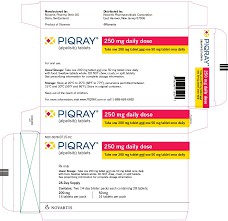
Apelix represents a more “upstream, precise” targeting strategy. It directly inhibits the PI3Kα isoform, which is the primary functional carrier of PIK3CA mutations. Overseas research and practice agree that in patients with clear PIK3CA mutations, apelvis combined with fulvestrant can more directly interfere with the core driving mechanism of tumor growth, thereby achieving more targeted therapeutic effects. This therapeutic advantage is not reflected in "all patients", but is concentrated in groups with clear molecular characteristics, which is also its most fundamental difference from everolimus.
From the perspective of depth and persistence of efficacy, disease control with Apelvis in appropriate populations is often more "target consistent", that is, the drug's mechanism of action is highly consistent with tumor biology, and is more in line with the treatment concept of modern precision oncology. But at the same time, the prerequisites for the use of Apelvis are more stringent and require genetic testing, which limits its scope of application to a certain extent. In contrast, although everolimus has a lower targeting level, it has rich clinical experience and is applicable to a wider population. It still has practical value, especially when resources are limited or testing conditions are insufficient.
In actual treatment decisions, one may be more inclined to regard both as"Complementary choices for different stages and groups of people." For patients who clearly carry PIK3CA mutations and are resistant to endocrine therapy, apelvis is often considered a more preferred precision regimen; while for patients whose mutation status is unknown, test negative, or unable to tolerate specific targeting strategies, everolimus is still a mature and reliable option. In addition, in terms of treatment sequence, some clinical practices will also flexibly switch between the two drugs at different stages based on patient tolerance and disease progression rate.
Based on the comprehensive data, the comparison of the efficacy of apelix and everolimus is not simply "who is better" but depends on the patient's molecular characteristics, previous treatment history and overall treatment goals. The former emphasizes precise mutation driving, while the latter emphasizes pathway inhibition and broad applicability. Today, as personalized treatment becomes increasingly mainstream, rationally distinguishing the efficacy advantages of the two and making precise selections are the key to maximizing patient benefits. This kind of medication idea based on biological characteristics is also the core direction of the current development of international breast cancer treatment.
Reference materials:https://www.piqray.com/
[ 免责声明 ] 本页面内容来自公开渠道(如FDA官网、Drugs官网、原研药厂官网等),仅供持有医疗专业资质的人员用于医学药学研究参考,不构成任何治疗建议或药品推荐。所涉药品可能未在中国大陆获批上市,不适用于中国境内销售和使用。如需治疗,请咨询正规医疗机构。本站不提供药品销售或代购服务。


