
.jpeg)
The therapeutic effect and safety of cabergoline in patients with prolactinoma
Cabergoline is an oral dopamine D2 receptor agonist that is widely used to treat prolactinoma (pituitary prolactinoma). Its mechanism of action is to inhibit prolactin secretion by activating pituitary dopamine receptors, thereby reducing serum prolactin levels and alleviating related clinical symptoms. For female patients, it often presents with amenorrhea, galactorrhea, and infertility; while male patients may experience decreased sexual function or abnormal reproductive hormone levels. With cabergoline treatment, these symptoms can usually be significantly improved, allowing normal physiological functions and quality of life to be restored.
Clinical data show that cabergoline has significant efficacy in treating prolactinoma. Most studies show that more than 80%~90% of patients can return their serum prolactin levels to the normal range after standard medication. At the same time, most patients' menstrual cycles, sex hormone levels, and fertility have also improved. For patients with larger pituitary tumors, long-term use of cabergoline can also significantly shrink the tumor. In some patients, the tumor volume can be reduced by more than 50%, thereby reducing the need for surgery or radiotherapy.
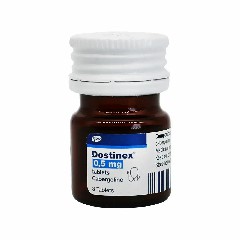
In terms of safety, cabergoline was generally well tolerated. Common side effects include mild nausea, dizziness, fatigue, headache, or low blood pressure, which are usually short-term symptoms and may gradually resolve with dose adjustment or continued use. Compared with older generation drugs, cabergoline has a lower incidence of side effects and is better tolerated, making it the drug of choice recommended by international guidelines. For some patients with long-term high-dose use, it is still necessary to pay attention to the condition of the heart valves and conduct regular cardiac ultrasound monitoring to prevent potential valve lesions.
Overall, cabergoline can effectively reduce prolactin levels and improve symptoms in patients with prolactinoma, and has good safety and long-term tolerability. Through individualized dose adjustment and regular monitoring, most patients can obtain multiple benefits of normalization of serum prolactin, symptom relief, and tumor shrinkage, while reducing dependence on surgery and radiotherapy. It is a very mature and reliable first choice option in the treatment of prolactinoma.
Reference materials:https://www.cancer.gov/about-cancer
[ 免责声明 ] 本页面内容来自公开渠道(如FDA官网、Drugs官网、原研药厂官网等),仅供持有医疗专业资质的人员用于医学药学研究参考,不构成任何治疗建议或药品推荐。所涉药品可能未在中国大陆获批上市,不适用于中国境内销售和使用。如需治疗,请咨询正规医疗机构。本站不提供药品销售或代购服务。


