
.jpeg)
Analysis of the effectiveness of baricitinib/alemin tablets in the treatment of vitiligo
In recent years, as the role of the JAK-STAT signaling pathway in autoimmune skin diseases has been continuously revealed, Baricitinib’s potential application in the field of dermatology has received certain attention. However, based on the existing evidence-based medical evidence and mainstream clinical consensus, baricitinib has not been proven to be an effective treatment for vitiligo.
The pathogenesis of vitiligo is complex and involves multiple factors such as genetic susceptibility, immune abnormalities, and melanocyte destruction. Among them, the autoimmune response against melanocytes is considered to be a key link. Although theJAK pathway is involved in a variety of inflammatory and immune signaling, the pathological process of vitiligo does not rely solely on this pathway, so not all JAK inhibitors can produce clear efficacy in this disease.
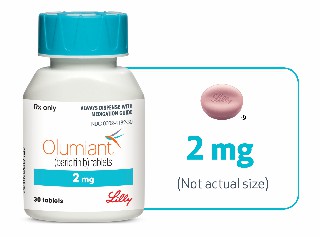
Judging from public information and clinical reports, baricitinib currently does not have a widely recognized indication for the treatment of vitiligo, and there is a lack of high-quality research to support its stable effect in pigment recovery. The skin pigment changes that occur in some sporadic cases are more likely to be caused by individual differences or other treatment factors, rather than the direct result of the drug itself. Therefore, at the level of evidence-based medicine, baricitinib cannot yet be considered a treatment option for vitiligo.
In addition, considering that baricitinib is a systemic immunomodulatory drug, its potential side effects and long-term safety issues, in the absence of clear benefits, do not comply with the risk-benefit ratio principle of vitiligo, a disease with mainly skin manifestations and relatively low overall health risks. The international dermatology community generally emphasizes that local treatment, phototherapy or clearly approved targeted drugs should be given priority rather than off-label use of systemic immunosuppressants.
Taken together, baricitinib does not treat vitiligo, and it is not recommended for routine or exploratory treatment of vitiligo at this stage. Patients should maintain rational judgment when faced with recommendations from online information or informal channels, and choose treatment options with sufficient evidence-based evidence and clearer safety under the guidance of professional doctors.
Reference materials:https://go.drugbank.com/drugs/DB11817
[ 免责声明 ] 本页面内容来自公开渠道(如FDA官网、Drugs官网、原研药厂官网等),仅供持有医疗专业资质的人员用于医学药学研究参考,不构成任何治疗建议或药品推荐。所涉药品可能未在中国大陆获批上市,不适用于中国境内销售和使用。如需治疗,请咨询正规医疗机构。本站不提供药品销售或代购服务。


