
.jpeg)
Explanation of the reimbursement scope of baricitinib in medical insurance
As innovative immunomodulatory drugs are gradually launched in China, baricitinib has been officially launched in China and has been included in the national medical insurance directory, which is of great practical significance for patients who require long-term treatment. From the perspective of medical insurance policy design, its reimbursement scope closely integrates evidence-based medical evidence and actual clinical needs, embodying the principle of "rational drug use and precise coverage".
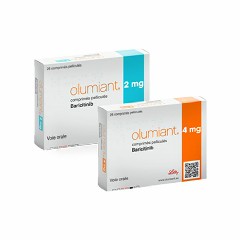
Currently, the main reimbursement indications for baricitinib in medical insurance focus on rheumatoid arthritis and specific types of juvenile idiopathic arthritis. For patients with rheumatoid arthritis, medical insurance clearly limits them to cases with clear diagnosis and clear disease activity, and patients whose disease activity has not improved to the ideal level after previously receiving traditional disease-modifying antirheumatic drug treatment for 3 to 6 months. This setting ensures to a certain extent that baricitinib can be used for people who have insufficient response to traditional treatments and avoids premature or unnecessary use of high-end targeted drugs.
In terms of juvenile idiopathic arthritis, the medical insurance policy covers active patients 2 years old and above who have had poor response or intolerance to previous traditional synthetic or biological DMARDs treatment, including subtypes such as polyarticular juvenile idiopathic arthritis, enthesitis-related arthritis, and juvenile psoriatic arthritis. This range is basically consistent with the stratified treatment concept emphasized in overseas guidelines, and also provides new medication possibilities for some children with limited treatment options.
It is worth noting that the medical insurance policy allows baricitinib to be used as a single agent or in combination with traditional drugs such as methotrexate, which provides space for clinicians to design individualized plans based on patient tolerance and disease characteristics. During the actual reimbursement process, patients still need to complete prescription filing, diagnosis certificate and medication evaluation in accordance with the specific procedures of the local medical insurance department. Some regions may have differences in implementation details.
Reference materials:https://go.drugbank.com/drugs/DB11817
[ 免责声明 ] 本页面内容来自公开渠道(如FDA官网、Drugs官网、原研药厂官网等),仅供持有医疗专业资质的人员用于医学药学研究参考,不构成任何治疗建议或药品推荐。所涉药品可能未在中国大陆获批上市,不适用于中国境内销售和使用。如需治疗,请咨询正规医疗机构。本站不提供药品销售或代购服务。


