
.jpeg)
What blood, liver and kidney indicators need to be checked regularly while using Valganciclovir?
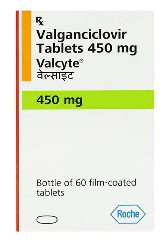
During the use of Valganciclovir (Valganciclovir, Valganciclovir), regular monitoring of hematology and liver and kidney function indicators is crucial to ensure medication safety and to detect potential adverse reactions in a timely manner. This drug is mainly used to prevent or treat cytomegalovirus (CMV) infection. However, while inhibiting viral replication, it may cause a certain burden on the bone marrow, liver and kidneys. Therefore, systematic monitoring is an important part of clinical management.
Hematology indicators are the primary monitoring content. Vancevir may cause bone marrow suppression manifested by neutropenia, thrombocytopenia, or anemia. Therefore, a complete blood count (CBC) needs to be checked regularly during use, with special attention to white blood cells, hemoglobin and platelet levels. If there is a significant decrease, it may be necessary to adjust the dose, extend the dosing interval, or suspend the medication. At the same time, symptomatic treatment should be carried out based on the symptoms to prevent an increased risk of infection or bleeding.
Liver function indicators are also aspects that must be monitored. The metabolism of Vancevir in the body may have mild to moderate effects on the liver. Therefore, liver function indicators such as serum alanine aminotransferase (ALT), aspartate aminotransferase (AST), total bilirubin, alkaline phosphatase and other liver function indicators need to be checked regularly during treatment. If the index is abnormal, the doctor will evaluate whether it is related to the drug, and adjust the dose or take supportive treatment according to the liver function status to avoid aggravation of drug-induced liver injury.
In addition, renal function monitoring cannot be ignored. Vancevir is mainly excreted by the kidneys, so blood creatinine, urea nitrogen and estimated glomerular filtration rate (eGFR) need to be reviewed regularly during medication, especially in elderly patients or patients with underlying renal insufficiency. If renal function is found to decline, the dose should be adjusted promptly or the dosing interval should be extended, and corresponding renal protection measures should be taken. By regularly monitoring hematology, liver function and renal function indicators, the potential risks of Vancevir can be minimized while ensuring the efficacy, and the safety of patient medication can be ensured.
Reference materials:https://www.nlm.nih.gov/
[ 免责声明 ] 本页面内容来自公开渠道(如FDA官网、Drugs官网、原研药厂官网等),仅供持有医疗专业资质的人员用于医学药学研究参考,不构成任何治疗建议或药品推荐。所涉药品可能未在中国大陆获批上市,不适用于中国境内销售和使用。如需治疗,请咨询正规医疗机构。本站不提供药品销售或代购服务。


