
.jpeg)
What is the current status of medical insurance for fezolinetant?
Judging from the practical issues that domestic patients are generally concerned about, the current situation of medical insurance and accessibility of Fezolinetant is still in the "information attention period" rather than the "policy implementation period". What is clear at present is that Fezonatant has not yet been officially launched in mainland China, so it does not have the prerequisites to enter the national medical insurance directory. This determines that domestic patients are temporarily unable to obtain the drug through regular hospital or pharmacy channels, and naturally cannot enjoy relevant medical insurance reimbursement policies.
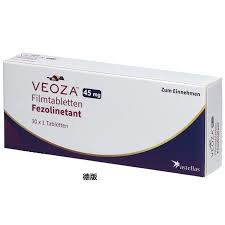
Based on the analysis of overseas situations, fizonatant has been approved by regulatory agencies in some countries and regions for the treatment of moderate to severe vasomotor symptoms of menopause and has gradually entered clinical practice. However, whether a drug can be included in medical insurance usually depends on multiple factors, including the country's launch progress, real-world drug demand, pharmacoeconomic evaluation, and differentiated value from existing treatment options. In China, it is only possible to enter the national medical insurance negotiation process after completing registration approval and achieving commercial supply.
For domestic patients, the current ways to obtain fezonatant are mainly through overseas drug purchase or cross-border medical consultation. Such methods usually involve self-payment and require extra caution in terms of drug safety, drug source and follow-up management. Since it is not covered by medical insurance, its cost burden is relatively high, which also limits the actual scale of use of this drug among the domestic population. This status of "used overseas but not introduced in China" is not uncommon among many innovative menopausal treatment drugs.
Looking at the long-term trend, as the country pays more attention to menopausal health, and the concept of non-hormonal treatment is gradually accepted by more doctors and patients, there is some room for discussion whether NK3 receptor antagonists such as fezonatant will be introduced into the domestic market in the future. Once the marketing approval is completed, whether to enter the medical insurance catalog needs to be comprehensively evaluated based on the size of the domestic drug user population, alternative treatment options, and policy orientation.
Reference materials:https://www.veozah.com/
[ 免责声明 ] 本页面内容来自公开渠道(如FDA官网、Drugs官网、原研药厂官网等),仅供持有医疗专业资质的人员用于医学药学研究参考,不构成任何治疗建议或药品推荐。所涉药品可能未在中国大陆获批上市,不适用于中国境内销售和使用。如需治疗,请咨询正规医疗机构。本站不提供药品销售或代购服务。


