
.jpeg)
Precautions and potential risks of combining Valganciclovir with other drugs
Valganciclovir (Valganciclovir) is an antiviral drug mainly used to prevent and treat cytomegalovirus (CMV) infection. It is especially widely used in organ transplant patients, people with low immune function and HIV infected people. Since the metabolism and excretion of Vancevi in u200bu200bthe body mainly depends on the kidneys and may cause bone marrow suppression, abnormal liver function and other adverse reactions, extra caution is required when used in combination with other drugs. Proper evaluation of drug interactions and potential risks can help ensure the safety and efficacy of treatment.
First of all, high attention should be paid to hematological risks when Vancevi is combined with other myelosuppressive drugs. For example, cytarabine, fludarabine, certain chemotherapy drugs, combination chemotherapy and radiotherapy regimens, or immunosuppressants such as cyclosporine and tacrolimus may synergize with Vancevir, leading to neutropenia, thrombocytopenia, or an exacerbation of anemia. Before combined use, a detailed blood routine evaluation should be carried out to clarify the patient's basic blood index levels, and blood changes should be monitored regularly during medication. Once severe myelosuppression is found, the dose should be adjusted immediately or the drug should be suspended, and necessary supportive treatment should be given, such as growth factor stimulation or blood transfusion intervention.
Secondly, caution is also required when using Vancevir in combination with drugs related to renal function. Vancevir is mainly excreted through the kidneys, and renal insufficiency can cause the drug to accumulate in the body, thereby increasing the risk of toxicity. Concomitant use with other nephrotoxic drugs such as amikacin, gentamicin, vancomycin, or NSAIDs may significantly increase the incidence of renal injury. Before combined use, it is necessary to evaluate indicators such as serum creatinine, urea nitrogen, and glomerular filtration rate (eGFR), and appropriately adjust the dose or extend the dosing interval according to renal function to ensure that the blood drug concentration is within a safe range.
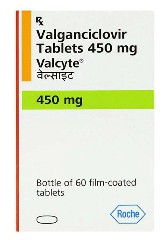
In addition, there are certain risks when Vancevi is used in combination with other antiviral drugs, immunomodulators or liver metabolism drugs. For example, antiviral drugs such as ribavirin and acyclovir may compete for excretion pathways in the body, affecting the blood concentration of Vancevir; at the same time, certain CYP3A or renal transporter inhibitors may change their pharmacokinetic properties, leading to drug accumulation or reduced efficacy. In clinical practice, the risk of drug interactions should be assessed, and treatment should be optimized if necessary by adjusting the dosing sequence, dosage, or monitoring blood drug concentrations.
Finally, the combined use of Vancevi requires attention to individual patient differences and potential comorbidities. Elderly patients, those with abnormal liver and kidney function, and those using immunosuppressants for a long time are more likely to have adverse drug reactions. In addition, patients should regularly monitor blood routine, liver and kidney function, and viral load during combined medication to detect abnormal indicators in a timely manner to ensure efficacy and safety. At the same time, patients should be educated to understand the early symptoms of adverse drug reactions, such as fever, bleeding, fatigue, nausea, or abnormal renal function, and seek medical attention immediately if necessary.
In summary, the combined use of Vancevi with other drugs requires full assessment of the risk of myelosuppression, renal function load, drug metabolism interactions, and individual patient differences. Through standardized combined medication management, regular monitoring and individualized dose adjustment, most patients can receive effective antiviral treatment within a safe range and reduce the risk of complications and drug resistance. At the same time, doctors should guide patients to rationally arrange drug use and educate them to identify adverse reactions to ensure that Vancevi can exert the best effect in clinical treatment.
Reference materials:https://www.drugs.com/
[ 免责声明 ] 本页面内容来自公开渠道(如FDA官网、Drugs官网、原研药厂官网等),仅供持有医疗专业资质的人员用于医学药学研究参考,不构成任何治疗建议或药品推荐。所涉药品可能未在中国大陆获批上市,不适用于中国境内销售和使用。如需治疗,请咨询正规医疗机构。本站不提供药品销售或代购服务。


