
.jpeg)
The effect and clinical data analysis of Apremilast (Otera) in the treatment of psoriasis
Apremilast (Apremilast) is an oral small-molecule phosphodiesterase 4 (PDE4) inhibitor. It regulates intracellular cAMP levels and inhibits the release of pro-inflammatory cytokines, thereby reducing psoriasis-related skin inflammation and joint symptoms. It is mainly used for the treatment of moderate to severe plaque psoriasis and psoriatic arthritis. Compared with traditional topical drugs or biological agents, apremilast is convenient for oral administration and does not rely on injections. At the same time, it shows better safety and tolerability in long-term use, so it has become one of the more commonly used systemic treatment options in clinical practice.
In the pivotal III clinical trials, including ESTEEM-1 and ESTEEM-2, a total of approximately 1255 patients with moderate to severe psoriasis were enrolled. Patients take apremilast 30mg twice a day, and the rate is about 33%16 weeks. > of the patients achieved PASI-75 (i.e., the Psoriasis Area and Severity Index improved by 75%), showing the preliminary efficacy of the drug in improving skin symptoms. The study also found that the improvement of skin itching and erythema symptoms in the early stage of treatment can usually be observed around 4 weeks after medication, which has positive significance for improving the patient's quality of life and also enhances the patient's medication compliance.
With the extension of the treatment course, the efficacy of apremilast is further consolidated. ESTEEM-1Long-term follow-up data show that by the 32 to 52 weeks, the average PASIScores dropped from baseline by approximately 81% to 88%, and approximately 61% of patients achieved PASI-75. This data shows that under long-term treatment, apremilast can sustainably improve psoriasis lesions and significantly improve patients' quality of life. At the same time, patients' dependence on potent topical glucocorticoids has been significantly reduced, which has practical significance for reducing the side effects of long-term topical drugs. Real-world studies have also shown that long-term oral administration of apremilast can significantly reduce the chronic symptoms of psoriasis and improve patients' life satisfaction.
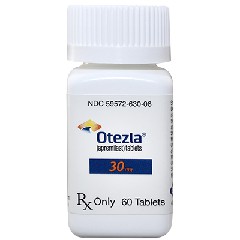
In terms of safety, apremilast was generally well tolerated. Common adverse reactions include mild to moderate gastrointestinal symptoms, such as nausea, diarrhea, and loss of appetite, which usually appear within a few weeks of treatment and can be relieved by dietary modification or temporary dose reduction. The incidence of hematological and liver and renal dysfunction abnormalities was low, and rare serious adverse events were infection or depressive symptoms. Therefore, patients still need to regularly review blood routine and liver and kidney functions during treatment, and pay attention to their mental health. For patients with a history of depression or severe gastrointestinal diseases, they should be used with caution under the guidance of a doctor and followed up closely.
Although apremilast's onset of action and PASI-90 response rate may be slightly lower compared with some biological agents, its oral administration, high safety, and long-term tolerability make it an important treatment option for many patients with moderate to severe psoriasis, especially those who are unwilling or unable to long-term injection of biological agents. In clinical practice, apremilast can also be used in combination with topical drugs or phototherapy to enhance the efficacy. When formulating a treatment plan, doctors will individually adjust the dose and course of treatment based on the patient's condition, previous treatment history, and lifestyle habits, thereby achieving long-term control of psoriasis and improvement of quality of life.
In summary, apremilast has significant efficacy and good safety in the treatment of psoriasis. Clinical trials and real-world data have shown that it can effectively improve skin symptoms, reduce dependence on topical medications, and maintain stable efficacy during long-term treatment. Through standardized individualized treatment and regular follow-up, apremilast provides a sustainable and highly tolerable oral treatment option for patients with moderate to severe psoriasis, providing an important option for long-term disease management.
Reference materials:https://www.drugs.com/
[ 免责声明 ] 本页面内容来自公开渠道(如FDA官网、Drugs官网、原研药厂官网等),仅供持有医疗专业资质的人员用于医学药学研究参考,不构成任何治疗建议或药品推荐。所涉药品可能未在中国大陆获批上市,不适用于中国境内销售和使用。如需治疗,请咨询正规医疗机构。本站不提供药品销售或代购服务。


