
.jpeg)
The efficacy, role and clinical use evaluation of Midostaurin
Midostaurin is a multi-target tyrosine kinase inhibitor, mainly used for diseases such as FLT3 gene mutation-positive acute myeloid leukemia (AML) and systemic mastocytosis (SM). Its core function is to block the growth of cancer cells, induce apoptosis and reduce abnormal cell proliferation by inhibiting various tyrosine kinase signaling pathways such as FLT3, KIT, PDGFR, VEGFR . In AML , FLT3-ITD or FLT3-TKD mutations are usually associated with faster disease progression and higher risk of recurrence, and midostaurin can provide a clearer therapeutic benefit against these mutations and is one of the important drugs recommended as first-line in current guidelines.
In clinical studies, midostaurin combined with traditional "7+3" chemotherapy (cytarabine + anthracyclines) can significantly improve FLT3 mutations AML Complete response rate and overall survival of patients. Studies have shown that compared with chemotherapy alone, the median overall survival of patients who added midostaurin was significantly longer and the risk of death was reduced. Therefore, it has been included in international guidelines such as NCCN as a standard treatment plan. For patients who plan to undergo hematopoietic stem cell transplantation, midostaurin can also play a synergistic role in the induction and consolidation treatment stages before transplantation, strengthen disease control, and create a more stable disease basis for subsequent treatment.
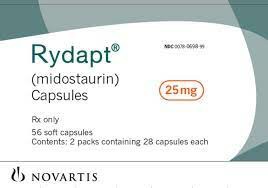
For aggressive mastocytosis with hematological malignancy (advSM), midostaurin is also one of the few targeted drugs that has been proven effective. It can reduce excessive proliferation of mast cells by inhibiting the KIT D816V mutation signaling pathway, and improve typical symptoms of patients such as anemia, hepatosplenomegaly, abdominal pain, bone pain, and weight loss. Clinical data shows that midostaurin can bring significant symptom relief and improvement in organ function in such patients. Some patients can even maintain disease stability for a long time and improve their quality of life. It is currently an important treatment option for this rare disease.
Overall, the tolerability of midostaurin is at a moderate level among targeted drugs. Common adverse reactions include nausea, vomiting, diarrhea, fatigue, neutropenia, etc. Some patients may experience mild liver function abnormalities. Clinical experience shows that by taking it with meals, combining it with antiemetics, and regularly monitoring blood routine and liver function, most patients can continue to complete the course of treatment without stopping the medication. Doctors generally believe that midostaurin has a controllable safety profile and clear benefits, especially in FLT3 mutated AML patients. The prolongation of survival is of great significance and is an irreplaceable key drug in the current treatment system.
Reference materials:https://www.drugs.com/
[ 免责声明 ] 本页面内容来自公开渠道(如FDA官网、Drugs官网、原研药厂官网等),仅供持有医疗专业资质的人员用于医学药学研究参考,不构成任何治疗建议或药品推荐。所涉药品可能未在中国大陆获批上市,不适用于中国境内销售和使用。如需治疗,请咨询正规医疗机构。本站不提供药品销售或代购服务。


