
.jpeg)
Precautions before and after using Datopotamab
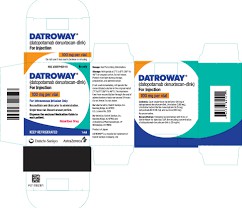
Datopotomab (Datopotamab) is an antibody-drug conjugate (ADC) targeting TROP2. It is mainly used for the treatment of solid tumors such as locally advanced or metastatic non-small cell lung cancer and unresectable or metastatic breast cancer. The drug accurately recognizes TROP2 molecules on the surface of tumor cells through antibodies and delivers the cytotoxic drug DXd into the tumor, thereby exerting an anti-tumor effect. Because its mechanism of action is relatively powerful, relevant safety management and monitoring must be paid great attention to before and after use.
1. Interstitial lung disease/pneumonia:
The most important thing to evaluate before using dabrotuzumab is whether the patient has a history of interstitial lung disease or pneumonia. Clinical studies have shown that the drug has been associated with varying degrees of risk of interstitial lung disease or drug-related pneumonia in patients with lung cancer and breast cancer, and some cases can progress to severe or even fatal conditions. Therefore, the drug is generally not recommended for patients with pre-existing interstitial lung disease requiring long-term steroid therapy, or for patients with current uncontrolled lung inflammation. Before treatment begins, doctors will combine imaging examinations and respiratory system assessments to try to exclude potentially high-risk groups.
During the treatment process, dynamic monitoring of respiratory symptoms is particularly critical. Once patients develop new or worsened dyspnea, persistent cough, fever, etc., they should be highly vigilant about the possibility of drug-related lung injury. For cases where imaging or clinical findings are mild and asymptomatic, early intervention and close follow-up can be considered under physician evaluation; once clear symptoms or signs of progression appear, medication should be suspended immediately and systemic corticosteroid treatment initiated. In severe cases, dedabrotuzumab needs to be permanently discontinued. This strategy of "early detection and early treatment" is an important experience for cancer centers in reducing the risk of death.
2. Adverse eye reactions
This is another common but easily overlooked problem with dabrotumumab. Symptoms including dry eye, keratitis, conjunctivitis, increased tearing and blurred vision may affect daily life and treatment compliance in some patients. Therefore, patients are usually advised to use preservative-free lubricating eye drops prophylactically and to avoid wearing contact lenses as much as possible while using this drug. Referral to the ophthalmology department for standardized examinations as needed at the beginning and during treatment can help detect corneal or conjunctival damage at an early stage and provide timely intervention, thereby reducing the occurrence of serious eye complications.
3. Stomatitis:
This is also one of the more frequent adverse reactions in dedabrotomab treatment, which often manifests as redness, swelling, pain or ulcers in the oral mucosa, mostly in the early stages of treatment. Clinical practice emphasizes the importance of prevention. Patients are usually recommended to regularly use mouthwash containing steroid ingredients during medication, and to gargle with ice water or ice cubes during the infusion process to reduce the exposure of the oral mucosa to cytotoxic drugs. Once oral discomfort occurs, local care should be strengthened in a timely manner and the medication regimen should be adjusted if necessary.
4. Embryo-fetal toxicity:
In addition, dabrotuzumab has a clear risk of embryo-fetotoxicity. The DXd component it carries is genotoxic and can damage rapidly dividing cells. Therefore, female patients with childbearing potential need to take reliable contraceptive measures during treatment and for a long period of time after stopping the drug; male patients also need to pay attention to the potential impact on their partners. This is particularly important in doctor-patient communication before treatment.
Reference materials:https://dailymed.nlm.nih.gov/
[ 免责声明 ] 本页面内容来自公开渠道(如FDA官网、Drugs官网、原研药厂官网等),仅供持有医疗专业资质的人员用于医学药学研究参考,不构成任何治疗建议或药品推荐。所涉药品可能未在中国大陆获批上市,不适用于中国境内销售和使用。如需治疗,请咨询正规医疗机构。本站不提供药品销售或代购服务。


