
.jpeg)
How long is it generally recommended to take Besudil/Yilaike and how to judge the efficacy?
Belumosudil mesylate tablets (Belumosudil) is a small molecule oral drug targeting the ROCK2 pathway. It is mainly used for chronic graft-versus-host disease (cGVHD) that occurs after blood stem cell transplantation. Judging from the medication guide and real-world treatment experience, Besudil is not a short-term "impact" medication, but is more of a medium- and long-term disease control drug. Its dosage cycle often requires dynamic evaluation based on the patient's individual response, rather than pre-setting a fixed course of treatment.
In actual treatment, it is usually recommended to continue taking besudil until the patient obtains stable clinical benefit or until disease progression or tolerance problems occur. Drug evaluation documents from research and regulatory agencies show that some patients can see symptom improvement within weeks to months after starting the drug, but that a significant number of patients take longer to see benefits. Therefore, the logic of using Besudil is closer to "continuous regulation of abnormal immune status" rather than pursuing short-term and quick results. This is particularly important for chronic GVHD, a disease with a prolonged course and complex organ involvement.
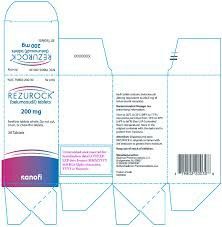
From the perspective of efficacy judgment, Besudil does not rely solely on a single laboratory indicator, but emphasizes multi-organ and multi-dimensional comprehensive evaluation. The idea often used in research to judge efficacy is that the symptoms of at least one affected organ are improved without new organ involvement or worsening of the condition. For patients, this improvement may be in the form of less hardening of the skin, relief of oral or eye discomfort, increased range of motion in joints, or stabilization of pulmonary symptoms. In other words, the efficacy does not necessarily mean "complete return to normal", but is based on disease control, symptom reduction and improvement in quality of life as important judgment criteria.
In clinical use, besudil is allowed to be used in combination with other treatments, which is one of the reasons why its efficacy evaluation is relatively complicated. Patients can continue to receive previous supportive or immunomodulatory treatments during medication. Therefore, when doctors judge whether Besudil is effective, they pay more attention to whether the overall disease trend is developing toward stability or improvement, rather than short-term changes in a single treatment method. If the disease still progresses or new organ damage occurs during continued treatment, it is usually considered to be insufficiently effective and the treatment strategy needs to be re-evaluated.
Understanding the efficacy judgment from the perspective of mechanism of action can also help patients establish reasonable expectations. Besudil regulates abnormal immune responses by inhibiting the activity of ROCK2 protein and reduces the continuous attack of donor immune cells on recipient tissues. This mechanism does not directly "suppress" all immune functions, but is more biased towards the reconstruction of immune balance, so the onset of action is relatively gentle. As long as the patient does not experience significant deterioration during treatment and some symptoms gradually improve, he can be considered to be benefiting from the drug.
In general, the taking time of besudil is often based on "whether the benefits are sustained" as the core judgment criterion, rather than limited to a few months or half a year. Efficacy evaluation emphasizes long-term observation, comprehensive improvement of multiple organs, and disease stability.
Reference: https://www.drugs.com/pro/rezurock.html
[ 免责声明 ] 本页面内容来自公开渠道(如FDA官网、Drugs官网、原研药厂官网等),仅供持有医疗专业资质的人员用于医学药学研究参考,不构成任何治疗建议或药品推荐。所涉药品可能未在中国大陆获批上市,不适用于中国境内销售和使用。如需治疗,请咨询正规医疗机构。本站不提供药品销售或代购服务。


