
.jpeg)
Conditions for medical insurance reimbursement of fostatinib/fotantinib
Fostamatinib is an oral small molecule drug targeting spleen tyrosine kinase (SYK). It is mainly used to treat chronic immune thrombocytopenia (ITP) that has failed to respond to previous treatments. From the perspective of overseas drug policies and current domestic medical insurance rules, fotantinib has not yet been officially approved for marketing in mainland China, and its original version has not been included in the national medical insurance catalog. Therefore, there are no clear and unified medical insurance reimbursement conditions at this stage.
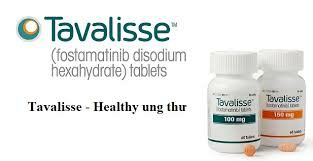
According to the general logic of my country's medical insurance access, whether a drug can be reimbursed usually depends on whether it has completed domestic registration and approval, whether it has passed medical insurance negotiations, and whether it has been included in the latest version of the national medical insurance catalog. Since fostatinib is still "unmarketed", its price system, payment path and medical insurance coverage are all in the blank stage. Even when some patients obtain drugs through overseas channels, they cannot be included in the scope of medical insurance reimbursement under the current policy, and the relevant costs are usually borne by the patients themselves.
From overseas experience, fotantinib is a prescription-level specialist drug in Europe and the United States, and is usually limited to specific indications and treatment lines. Medical insurance or commercial insurance often also sets stricter conditions for use, such as a clear diagnosis of chronic ITP, insufficient response to hormones or other immunomodulatory treatments, etc. If these overseas payment logics are formally introduced in China in the future, they may also become an important reference for medical insurance negotiations and the formulation of reimbursement conditions.
Therefore, judging from the long-term trend, if fostatinib is approved for marketing in China and enters the medical insurance, its reimbursement conditions will most likely be closely related to the type of disease, treatment stage and previous medication history, and will not be a "universal reimbursement" model. At this stage, patients need to pay more attention to policy progress and information from formal channels to avoid being misled by false propaganda that “medical insurance is available for reimbursement.”
Reference materials:https://go.drugbank.com/drugs/DB12010
[ 免责声明 ] 本页面内容来自公开渠道(如FDA官网、Drugs官网、原研药厂官网等),仅供持有医疗专业资质的人员用于医学药学研究参考,不构成任何治疗建议或药品推荐。所涉药品可能未在中国大陆获批上市,不适用于中国境内销售和使用。如需治疗,请咨询正规医疗机构。本站不提供药品销售或代购服务。


