
.jpeg)
Efficacy and side effects of tucatinib/tucatinib
Tucatinib (Tucatinib) is a small molecule oral targeted drug specifically used to treat patients with HER2-positive advanced or metastatic cancer. It especially shows important value in the precision treatment of breast cancer and colorectal cancer. Its core mechanism of action is to selectively inhibit the tyrosine kinase activity of theHER2 receptor. By blocking abnormal signaling pathways, it inhibits the proliferation and migration of cancer cells, thereby delaying disease progression. Compared with early anti-HER2 drugs, tucatinib is highly selective for HER2 subtypes and reduces non-specific inhibitory effects on other receptors, thus achieving a better balance between efficacy and safety.
In the treatment of metastatic breast cancer, tucatinib is often used in combination with trastuzumab and capecitabine, and is suitable for patients with advanced unresectable or metastatic HER2-positive breast cancer, including patients who have developed brain metastases. Brain metastasis is a difficult condition to treat in advanced breast cancer. Traditional chemotherapy and anti-HER2 monoclonal antibodies have difficulty penetrating the blood-brain barrier. Tucatinib's small molecule properties allow it to better enter the central nervous system, thereby providing effective treatment options for patients with brain metastasis. In addition, tucatinib has also shown certain efficacy in unresectable or metastatic colorectal cancer. It is especially suitable for patients with RAS wild-type and HER2-positive tumors. It can be used in combination with trastuzumab to improve the disease control rate.
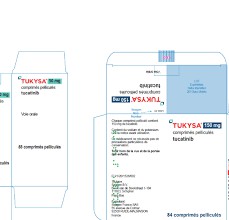
Although the side effects of tucatinib are generally controllable, patients and doctors still need to pay close attention to it. In clinical studies, the most common side effects include diarrhea, hand-foot syndrome, nausea, fatigue, and hematological abnormalities such as leukopenia and thrombocytopenia. Since its mechanism of action involves HER2 signal inhibition, some patients may experience liver function abnormalities or electrolyte disorders. Therefore, it is recommended to regularly monitor hematological indicators, liver function and blood phosphorus levels during treatment to detect and deal with adverse reactions in a timely manner. Some patients may experience abnormal heart rhythms or blood pressure fluctuations, but the incidence is low and can usually be relieved by dose adjustment or short-term discontinuation of the drug.
In terms of daily medication management, tucatinib is an oral medication. Patients should take it at approximately the same time every day and use enough water to swallow the tablets. Medications must be stored at a room temperature of 20°C to 25°C and kept sealed in the original container to prevent moisture or light from affecting the effectiveness of the medicine. After opening the bottle, it must be used within three months to ensure the activity and safety of the drug. For patients with abnormal liver or kidney function, doctors will adjust the dose on a case-by-case basis to reduce the risk of side effects.
Overall, tucatinib is a good choiceThe efficacy of HER2-selective targeting drugs has been proven in patients with advanced or metastatic breast cancer and some colorectal cancers, and provides unique therapeutic opportunities especially in patients with brain metastases. By combining anti-HER2 monoclonal antibodies with chemotherapy, tucatinib can achieve disease control, delay progression, and improve patients' quality of life. Although side effects exist, most patients can safely tolerate it through monitoring and dose adjustment under the guidance of a physician.
Reference materials:https://www.tukysa.com/
[ 免责声明 ] 本页面内容来自公开渠道(如FDA官网、Drugs官网、原研药厂官网等),仅供持有医疗专业资质的人员用于医学药学研究参考,不构成任何治疗建议或药品推荐。所涉药品可能未在中国大陆获批上市,不适用于中国境内销售和使用。如需治疗,请咨询正规医疗机构。本站不提供药品销售或代购服务。


