
.jpeg)
Correct injection methods and precautions for Fulvestrant/Fuxit
Fulvestrant (Fulvestrant) is a selective estrogen receptor degrader (SERD), mainly used to treat patients with estrogen receptor-positive (ER+), HER2-negative advanced or metastatic breast cancer. Its unique mechanism of action is to inhibit the proliferation of cancer cells by binding to estrogen receptors and inducing receptor degradation, blocking the estrogen signaling pathway. Different from oral hormone therapy, fulvestrant is administered by intramuscular injection. This method of administration ensures that the drug is released slowly in the body and maintains long-term stable blood concentration. Therefore, correct injection method and medication management are crucial for efficacy and safety.
The standard injection dose of fulvestrant is 500 mg per month, divided into two injections of 250 mg each, usually into the gluteus maximus muscle. Patients should be evaluated by professional medical staff before receiving injections, including previous drug allergy history, liver function and hematological indicators. The injection site should be clean and disinfected to reduce the risk of infection. During the injection operation, medical staff need to pay attention to the depth and angle of muscle injection to ensure that the drug can fully enter the muscle tissue instead of subcutaneously or within the blood vessels to avoid local drug retention or damage to blood vessels. It is recommended to alternate administration sites during injection to prevent local tissue induration or pain accumulation and reduce long-term discomfort at the injection site.
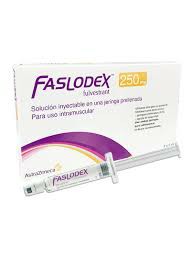
During the injection process, the patient may experience brief pain or mild redness and swelling at the injection site. This is a common local reaction and usually resolves on its own within a few hours to a few days. For patients with severe pain, ice packs or light massage can be used to relieve discomfort under the guidance of a doctor. After the injection, the patient should be observed for at least 15 minutes to monitor for possible allergic reactions or blood pressure fluctuations. Although severe allergic reactions are rare, early monitoring ensures prompt treatment and patient safety.
In addition to injection technique, the dosing schedule of fulvestrant must also be strictly followed. The standard protocol recommends injection on day 1, day 15, and day 29, and once a month from day 29, to continue treatment until disease progression or intolerable toxicity occurs. Regular medication can maintain stable blood drug concentration and improve drug efficacy. If a patient misses an injection, he or she should contact the doctor immediately to adjust the medication plan instead of taking a supplementary injection on his own to avoid fluctuations in blood concentration and adverse reactions.
During long-term treatment, patients need to pay attention to systemic reactions and changes in laboratory indicators. Common adverse reactions include injection site pain, fatigue, nausea and mild bone pain. Some patients may experience a decrease in platelets or neutrophils, so regular hematology monitoring is very important. In addition, for patients with reduced bone mass or a higher risk of osteoporosis, doctors usually recommend supplementary calcium supplements, vitamin D and lifestyle intervention to reduce the risk of fractures.
In short, the correct injection method and precautions for fulvestrant include not only intramuscular injection technique, injection site selection and disinfection operation, but also the medication schedule, missed dose treatment and long-term monitoring strategy. Through standardized operation and scientific management, patients can obtain the maximum therapeutic benefits of fulvestrant under safe conditions while reducing adverse reactions and injection-related risks, providing a stable and effective long-term treatment plan for patients with advanced ER+ breast cancer.
Reference materials:https://medlineplus.gov/druginfo/meds/a607031.html
[ 免责声明 ] 本页面内容来自公开渠道(如FDA官网、Drugs官网、原研药厂官网等),仅供持有医疗专业资质的人员用于医学药学研究参考,不构成任何治疗建议或药品推荐。所涉药品可能未在中国大陆获批上市,不适用于中国境内销售和使用。如需治疗,请咨询正规医疗机构。本站不提供药品销售或代购服务。


