
.jpeg)
Analysis of the efficacy of momelotinib in patients with different severity of myelofibrosis
Momelotinib is an oral JAK1/JAK2 inhibitor, mainly used to treat patients with myelofibrosis (MF), especially moderate to severe patients with anemia or splenomegaly. By inhibiting the JAK signaling pathway, the drug reduces inflammation and myelofibrosis progression while improving blood cell production and symptom burden. In patients with myelofibrosis of different severity, the efficacy of molotinib shows certain differences, and individualized evaluation and treatment are required based on the patient's specific condition.
For patients with moderate myelofibrosis, clinical trials have shown that molotinib can significantly improve splenomegaly and systemic symptom scores (such as fatigue, night sweats, weight loss, etc.). The blood cell function of moderate patients is relatively preserved, the drug can significantly improve anemia and thrombocytopenia, and the drug is well tolerated by patients. Within weeks to months of taking the drug, some patients can see the spleen volume shrink by more than 35% , symptoms are significantly relieved, and quality of life is improved.
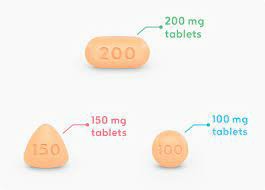
In patients with severe myelofibrosis, the disease has extensive bone marrow involvement, accompanied by severe anemia, thrombocytopenia, or marked spleen enlargement. Molotinib mainly improves symptoms and stabilizes the condition in such patients, but the hematological improvement effect may be relatively limited. Severe patients need to closely monitor blood and liver and kidney functions during the use of molotinib, and adjust the dose according to tolerance. Even if the effect is not as obvious as in patients with moderate disease, the drug can still reduce the need for blood transfusions and improve fatigue and spleen-related discomfort to a certain extent.
Overall, molotinib has certain efficacy in patients with myelofibrosis of different severity, but the efficacy is closely related to the patient's basic blood image, degree of spleen enlargement and accompanying symptoms. Moderate patients usually respond better, with more significant symptom improvement and spleen shrinkage; severe patients benefit mainly from symptom relief and anemia management. Clinically, an individualized plan should be formulated based on the patient's severity, tolerance and treatment goals to ensure maximum efficacy while taking into account safety and quality of life.
Reference materials:https://www.drugs.com/
[ 免责声明 ] 本页面内容来自公开渠道(如FDA官网、Drugs官网、原研药厂官网等),仅供持有医疗专业资质的人员用于医学药学研究参考,不构成任何治疗建议或药品推荐。所涉药品可能未在中国大陆获批上市,不适用于中国境内销售和使用。如需治疗,请咨询正规医疗机构。本站不提供药品销售或代购服务。


