
.jpeg)
Long-term use safety and adverse reaction management plan of Midostaurin
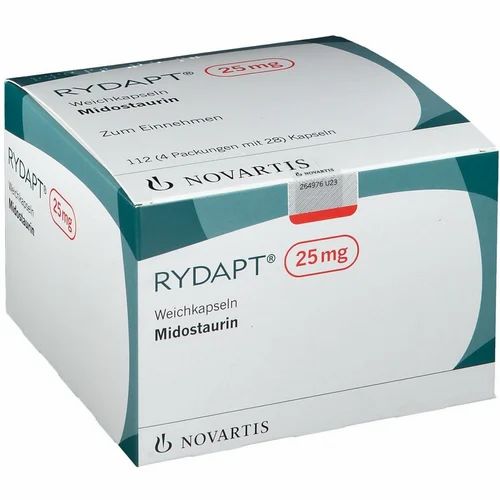
Midostaurin is an oral small molecule multi-target tyrosine kinase inhibitor, mainly used to treat patients with acute myeloid leukemia (AML) with FLT3 mutations, and systemic mastocytosis (SM). It blocks abnormal cell signaling by inhibiting FLT3, KIT and other related tyrosine kinases, thereby inhibiting tumor cell proliferation and survival. With the extension of clinical use, the long-term safety and adverse reaction management of midostaurin have become the focus of clinical attention. This article will provide a detailed analysis of adverse reaction characteristics, monitoring strategies, dose adjustments, and patient management.
First of all, midostaurin’s common adverse reactions mainly involve the gastrointestinal tract, blood system and cardiovascular system. Gastrointestinal adverse reactions include nausea, vomiting, diarrhea and loss of appetite, which are more common early in treatment and during combined use with chemotherapy. In order to relieve gastrointestinal discomfort, patients can eat small meals frequently and avoid greasy or irritating foods. At the same time, antiemetic drugs such as ondansetron can be used as auxiliary treatment under the guidance of a doctor. For patients with severe nausea or vomiting, the dosing time can be adjusted before or during medication, such as after dinner, to improve tolerance.
Hematological adverse reactions are important monitoring indicators for long-term use of midostaurin. Because drugs may enhance chemotherapy-related bone marrow suppression, patients are prone to neutropenia, anemia, and thrombocytopenia during treatment. For this reason, regular complete blood count monitoring is clinically recommended, generally every week to every two weeks. In the presence of moderate or severe cytopenia, intervention can be performed by temporarily discontinuing the drug, reducing the dose, or using growth factor support (such as G-CSF) to reduce the risk of infection and bleeding. At the same time, patients should pay attention to maintaining personal hygiene and a balanced diet to reduce the occurrence of complications.
The cardiovascular and metabolic systems also need attention. Some patients may develop problems such as prolonged QT interval, palpitations, and high blood pressure during long-term use of midostaurin. Therefore, a baseline electrocardiogram should be performed before treatment and reviewed regularly during long-term medication. For patients with underlying cardiac diseases, the cardiology department can be jointly evaluated and managed when necessary. At the same time, the drug may cause mild liver function abnormalities, so it is recommended to regularly monitor liver enzyme levels, such as ALT, AST and bilirubin indicators, in order to detect abnormalities in time and make dosage adjustments or temporarily discontinue the drug.
In terms of long-term safety management, individualized dose adjustment and combination treatment strategies are crucial. Midostaurin is often used in combination with chemotherapy, and the dose needs to be adjusted appropriately according to the patient's bone marrow suppression degree, weight, and liver and kidney function. In the event of serious adverse reactions, first suspend or reduce the dose to a tolerable range, and then gradually resume the original dose. At the same time, attention should be paid to drug interactions and avoid combined use with strong CYP3A4 inhibitors or inducers to avoid abnormal increases in blood concentration or reduced efficacy.
Patient education and self-monitoring are also important components of long-term safety management. Patients need to be aware of common adverse reactions and warning symptoms, such as persistent high fever, obvious fatigue, palpitations, jaundice or bleeding tendencies, and seek medical treatment promptly when abnormalities occur. Maintaining good living habits, a balanced diet, adequate rest and moderate exercise can help enhance physical strength and drug tolerance. Medical staff should establish a follow-up mechanism to regularly evaluate efficacy and safety to ensure that drug use is within a controllable range and to achieve maximum benefit from long-term treatment.
In general, the overall safety of long-term use of midostaurin is controllable, but attention needs to be paid to adverse reactions related to the gastrointestinal tract, blood system, cardiovascular and liver function. Through standardized monitoring, individualized dose adjustment, symptomatic treatment and patient education, most patients can use this drug safely and long-term, thereby achieving effective control of diseases such as AML and systemic mastocytosis. Effective adverse reaction management programs not only improve patients' quality of life, but also ensure drug efficacy, providing a reliable basis for long-term clinical treatment.
Reference materials:https://www.drugs.com/
[ 免责声明 ] 本页面内容来自公开渠道(如FDA官网、Drugs官网、原研药厂官网等),仅供持有医疗专业资质的人员用于医学药学研究参考,不构成任何治疗建议或药品推荐。所涉药品可能未在中国大陆获批上市,不适用于中国境内销售和使用。如需治疗,请咨询正规医疗机构。本站不提供药品销售或代购服务。


