
.jpeg)
Things to note and suggestions when using Atrasentan
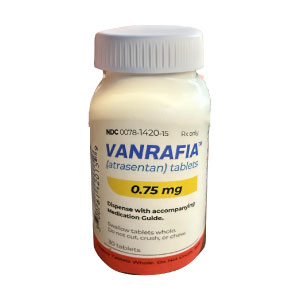
Atrasentan is an endothelin receptor antagonist, mainly used to treat diseases caused by excessive activation of the endothelin system, such as primary immunoglobulin A nephropathy. Although this drug is effective in treating specific diseases, there are some risk factors that require special attention during use. Patients and medical providers should monitor potential adverse reactions during treatment to ensure the safety and effectiveness of the drug.
1. Embryo-fetal toxicity
Based on data from animal reproduction studies, atrasentan may have toxic effects on the fetus and therefore the drug is contraindicated during pregnancy. Although currently available human data on endothelin receptor antagonists do not confirm or deny major birth defects associated with the use of atrasentan, given the potential risk to the fetus, a pregnancy test should be performed before treatment with atrasentan to ensure that the patient is not using this drug while pregnant.
Patients who may become pregnant should use an effective method of contraception, particularly before and during the initiation of treatment, and continue to use contraception after discontinuation of treatment until the drug has been completely eliminated from the body. If pregnancy is confirmed during treatment, the patient should discontinue atrasentan immediately.
2. Hepatotoxicity
The liver is the main organ for drug metabolism, and atrasentan may cause an increase in liver enzymes and even cause hepatotoxicity or liver failure in some patients. Therefore, before initiating treatment, liver function tests should be performed to detect transaminase levels, and the patient's liver function should be monitored regularly as clinically necessary. During treatment, if the patient experiences asymptomatic or transient transaminase elevations, it is usually not necessary to discontinue the drug immediately, but close observation is required.
For patients whose baseline liver enzyme levels are already higher than the normal range (>3 times the upper limit of normal), regular liver examinations are recommended to ensure that liver function is not further impaired. Atrasentan should not be used in patients with severe hepatic impairment to avoid worsening of liver damage or other liver complications.
In addition, patients should be aware of the symptoms of liver injury, such as nausea, vomiting, right upper quadrant pain, fatigue, loss of appetite, jaundice, darkened urine, fever or itching, etc. If these symptoms occur, patients should inform their doctor promptly. If the transaminase level is significantly elevated, accompanied by an increase in bilirubin (>2 times ULN) or clinical symptoms are obvious, the drug should be discontinued immediately. If liver function returns to normal and no clinical symptoms occur, consider restarting atrasentan treatment under the guidance of a physician.
3. Fluid Retention
Fluid retention is a common side effect of endothelin receptor antagonists (ERAs), and atrasentan has also been observed to cause fluid retention in clinical trials. Symptoms of fluid retention include edema, weight gain, and difficulty breathing. If significant fluid retention occurs during atrasentan treatment, your doctor may consider diuretic therapy to help relieve edema and improve symptoms.
4. Decreased sperm count
Atrasentan, like other endothelin receptor antagonists, may adversely affect male fertility. Specifically, atrasentan may cause a decrease in sperm count, which may affect male fertility. Although the drug's effects on male fertility have not been fully understood in clinical studies, male patients should be aware of this potential side effect while receiving atrasentan.
Reference materials:https://www.vanrafia.com/
[ 免责声明 ] 本页面内容来自公开渠道(如FDA官网、Drugs官网、原研药厂官网等),仅供持有医疗专业资质的人员用于医学药学研究参考,不构成任何治疗建议或药品推荐。所涉药品可能未在中国大陆获批上市,不适用于中国境内销售和使用。如需治疗,请咨询正规医疗机构。本站不提供药品销售或代购服务。


