
.jpeg)
Possible side effects of Anagrelide and how to deal with them
Anagrelide is a drug used to treat thrombocythemia, specifically secondary thrombocythemia caused by myeloproliferative neoplasms and essential thrombocythemia (ET). The drug reduces platelet count by inhibiting platelet production, thereby reducing the risk of thrombosis and improving patients' clinical symptoms. However, like many drugs, anagrelide is associated with certain side effects. Understanding these side effects and how to manage them is critical to safe use by patients.
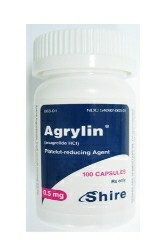
Most side effects of anagrelide are caused by its inhibitory effect on platelet production. Common side effects include headache, palpitations, diarrhea, nausea, and mild chest pain. Headache is one of the most common side effects and is often related to the drug's inhibitory effect on platelet production. Palpitations may occur in the early stages of starting the drug, and patients often experience a rapid or irregular heartbeat. In addition, anagrelide is also common in irritating the gastrointestinal tract, manifesting as nausea, diarrhea and other symptoms, which may cause discomfort to patients.
In some cases, anagrelide may cause more serious side effects. The most common serious reaction is bleeding, including skin bleeding, nose bleeding, and more serious internal bleeding. Because anagrelide reduces the production of platelets, the blood's clotting ability may be reduced, making it difficult for patients to stop bleeding. Such reactions require close monitoring, especially during the initial stages of drug therapy.
In the face of these side effects, patients should stay in close contact with their doctors when using anagrelide and conduct regular blood monitoring to ensure that the platelet count is not too low. For common side effects, such as headache, nausea, and diarrhea, doctors often recommend adjusting the drug dose or giving symptomatic treatment. For example, headaches can be relieved by taking painkillers; diarrhea and nausea can be managed with dietary modifications, staying well hydrated, and the use of anti-GI medications.
Reference materials:https://go.drugbank.com/drugs/DB00261
[ 免责声明 ] 本页面内容来自公开渠道(如FDA官网、Drugs官网、原研药厂官网等),仅供持有医疗专业资质的人员用于医学药学研究参考,不构成任何治疗建议或药品推荐。所涉药品可能未在中国大陆获批上市,不适用于中国境内销售和使用。如需治疗,请咨询正规医疗机构。本站不提供药品销售或代购服务。


