
.jpeg)
What exactly is the difference between enzalutamide/enzalutamide (Acotan) and darotamide?
Enzalutamide/Enzalutamide (Enzalutamide) and darolutamide (Darolutamide) are both androgen receptor inhibitors (AR inhibitors), mainly used to treat prostate cancer, especially in the treatment of castration-resistant prostate cancer (CRPC) and metastatic castration-sensitive prostate cancer (mCSPC). Although these two drugs have similar therapeutic mechanisms, they have significant differences in pharmacological properties, clinical applications, efficacy, and side effects. When understanding the differences between these two drugs, you first need to pay attention to the similarities and differences in their mechanisms of action, indications, clinical effects, and adverse reactions.
Although enzalutamide and darolutamide both inhibit the growth of prostate cancer by blocking androgen receptors, their structures and modes of action are different. Enzalutamide is an oral androgen receptor antagonist that inhibits the biological activity of androgens by directly binding to androgen receptors. Enzalutamide can completely inhibit the transcriptional activity of the androgen receptor and prevent its stimulation of prostate cancer cell proliferation. In addition, enzalutamide also has broad anti-tumor effects, and it can penetrate the blood-brain barrier and treat various prostate cancer metastases, including brain metastases.
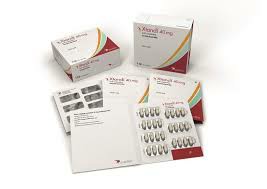
In contrast, darolutamide is also an androgen receptor antagonist, but its structural design is slightly different from enzalutamide. The chemical structure of darolutamide makes it better at avoiding interactions with other receptors, thus reducing side effects. In particular, darolutamide's molecular structure makes it more difficult to cross the blood-brain barrier than enzalutamide, so it has less of an impact on the brain. This property allows darolutamide to produce relatively few neurological side effects during treatment, especially less impact on neurocognitive function, which is particularly important for elderly patients or patients with cognitive dysfunction.
In terms of indications, enzalutamide has been widely used in the treatment of castration-resistant prostate cancer (CRPC) and metastatic castration-sensitive prostate cancer (mCSPC), especially when used in combination with other treatments, it can significantly extend the survival of patients. Enzalutamide is often used as the standard of care in these patients, especially when treatment is ineffective.
In comparison, the use of darolutamide is more limited. Although it is also clinically used to treat castration-resistant prostate cancer, due to its less ability to penetrate the blood-brain barrier, darolutamide is mainly suitable for patients who are particularly sensitive to neurological side effects. Because darolutamide has less impact on the central nervous system, it produces fewer adverse reactions such as cognitive dysfunction and dizziness during treatment, making it suitable for patients with Alzheimer's disease or other cognitive dysfunction.
In terms of efficacy, enzalutamide has shown extensive anti-tumor effects in clinical practice, especially in the treatment of patients with brain metastases. Enzalutamide can effectively treat prostate cancer with brain metastases due to its strong blood-brain barrier penetration ability. Unlike enzalutamide, the efficacy of darolutamide is relatively limited, mainly focusing on controlling peripheral metastasis of prostate cancer, and its efficacy on brain metastasis is weak. Despite this, darolutamide still exhibits significant anti-tumor effects, especially in alleviating symptoms and delaying disease progression in patients with locally advanced or metastatic prostate cancer.
Reference materials:https://www.xtandi.com/
[ 免责声明 ] 本页面内容来自公开渠道(如FDA官网、Drugs官网、原研药厂官网等),仅供持有医疗专业资质的人员用于医学药学研究参考,不构成任何治疗建议或药品推荐。所涉药品可能未在中国大陆获批上市,不适用于中国境内销售和使用。如需治疗,请咨询正规医疗机构。本站不提供药品销售或代购服务。


