
.jpeg)
Analysis of adverse reactions and side effects of vosoritide and safety tips for patients
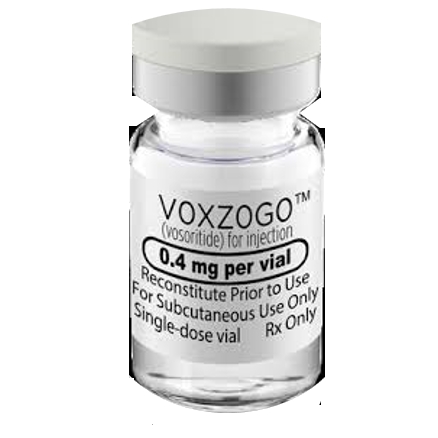
Vosoritide (Vosoritide) is an innovative targeted drug used to treat achondroplasia (achondroplasia). Its mechanism of action is mainly through simulationC< /span>Natriuretic peptide (CNP) activity inhibits the excessive activation of the FGFR3 signaling pathway, thereby promoting the growth of chondrocytes and improving bone development problems. As a targeted treatment drug for childhood dwarfism, the efficacy of vorsolitide has been verified in multiple clinical trials. However, like any drug, there are certain adverse reactions and side effects during its use. Patients and parents need to fully understand and manage it scientifically.
In clinical studies, most of the adverse reactions of vorsolitide were mild to moderate, controllable, and mostly transient. The most common side effects include injection site reactions such as redness, pain, itching, or mild hardness, which usually resolve within hours to days after the injection. Some patients may also experience symptoms such as mild headache, hypotension, nasal congestion, or upper respiratory tract infection. These reactions usually do not affect the continuity of treatment, but they still require the attention and follow-up of medical personnel. In a few cases, edema or mild elevation of blood pressure may occur, but most can be alleviated by adjusting injection time, dose, or combining with lifestyle intervention.
The long-term safety of vorsolitide is currently under ongoing follow-up. Clinical data show that long-term use of vorsolitide will not significantly affect liver and kidney function or blood indicators. However, due to its effect on bone development pathways, children's growth rate, bone age and joint health still need to be regularly monitored. In addition, parents and patients should pay attention to observe abnormal reactions during drug use, such as persistent headache, abnormal fatigue or abnormal blood pressure, and report to the doctor in time so that necessary intervention measures can be taken. For children with previous cardiovascular disease or other chronic diseases, the risks should be fully assessed before using vorsoritide, and an individualized treatment plan should be carried out under the guidance of a professional physician.
In terms of safety tips for patients, vorsolitide needs to be injected subcutaneously every day according to the doctor's prescription. Parents or guardians need to master the correct injection technique to ensure uniform absorption of the drug and reduce local discomfort. Patients and parents should avoid adjusting the dosage on their own or stopping the medication at will, so as not to affect the efficacy or worsen potential side effects. In addition, doctors should be followed up regularly for growth indicators, bone age assessment and blood pressure monitoring to ensure long-term efficacy and safety. At the same time, patients should maintain reasonable nutrition and moderate exercise during treatment to support healthy bone development. Overall, vorsolitide has significant efficacy in the treatment of achondroplasia. Common adverse reactions are controllable and can be alleviated through scientific management. However, long-term use still requires strict compliance with medical instructions and systematic monitoring to ensure drug safety and sustained efficacy.
Reference materials:https://www.drugs.com/
[ 免责声明 ] 本页面内容来自公开渠道(如FDA官网、Drugs官网、原研药厂官网等),仅供持有医疗专业资质的人员用于医学药学研究参考,不构成任何治疗建议或药品推荐。所涉药品可能未在中国大陆获批上市,不适用于中国境内销售和使用。如需治疗,请咨询正规医疗机构。本站不提供药品销售或代购服务。


