
.jpeg)
Comparison of the efficacy of Pretomanid and other anti-tuberculosis drugs and clinical analysis of combined drug regimens
Pretomanid (Pretomanid) is a new anti-tuberculosis drug, which belongs to the nitroimidazole compound and is mainly used to treat multi-drug-resistant tuberculosis (MDR-TB) and broad-spectrum drug-resistant tuberculosis (XDR-TB). Its unique antibacterial mechanism makes it important in the treatment of drug-resistant tuberculosis. Putomani targets the respiratory chain of Mycobacterium tuberculosis, inhibits energy metabolism, and generates free radicals to kill bacteria in an anaerobic environment. It can act on active and stationary Mycobacterium tuberculosis, thereby making up for the shortcomings of traditional drugs in drug-resistant strains.
Puttomanid has clear advantages over traditional anti-tuberculosis drugs. First, first-line drugs such as isoniazid, rifampicin, pyrazinamide, and ethambutol have limited efficacy against drug-resistant strains, while putomanib can provide effective antibacterial effects in patients with MDR-TB and XDR-TB. Clinical studies have shown that when putomanid is used in combination with bedaquiline (Bedaquiline) and linezolid (Linezolid), the patient's cure rate is significantly improved, while the treatment course is shorter than traditional regimens, and tolerance is controllable.
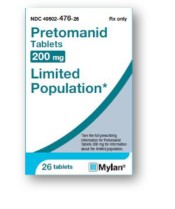
Pretomanid's combination regimen has been standardized clinically, the so-called BPaL regimen: Bedaquiline (Bedaquiline) + Pretomanid (Pretomanid) + Linezolid(linezolid). This regimen is mainly used to treat adult MDR/XDR-TB patients who cannot tolerate the standard course of treatment or are at risk of drug resistance. Studies have shown that the treatment course of this triple regimen is about 6 months, which is significantly shorter than the traditional MDR-TB treatment course (usually 18–24 months), and at the same time has an efficient killing effect on drug-resistant strains.
In combined medication, attention should be paid to drug interactions and adverse reactions. The risk of hepatic impairment, neurotoxicity, or hematological abnormalities with putomanid, myelosuppression and peripheral neuropathy with linezolid, and QT prolongation with bedaquiline requires close monitoring during treatment. In clinical practice, it is recommended to carry out BPaL treatment in professional medical institutions, regularly evaluate changes in blood routine, liver and kidney function and electrocardiogram, and adjust the dose or discontinue the drug according to the individual patient's condition.
In general, putomanid, as a new generation of anti-tuberculosis drugs, has shown important value in the treatment of drug-resistant tuberculosis. Its unique antibacterial mechanism and highly effective regimen combined with bedaquiline and linezolid have greatly improved the cure rate of MDR/XDR-TB patients, shortened the course of treatment, and provided a clinically feasible new model for the treatment of drug-resistant tuberculosis. However, this drug still needs to be used under the guidance of a professional doctor, and attention should be paid to adverse reaction monitoring and combined drug management to ensure safety and maximize efficacy.
Reference materials:https://www.drugs.com/
[ 免责声明 ] 本页面内容来自公开渠道(如FDA官网、Drugs官网、原研药厂官网等),仅供持有医疗专业资质的人员用于医学药学研究参考,不构成任何治疗建议或药品推荐。所涉药品可能未在中国大陆获批上市,不适用于中国境内销售和使用。如需治疗,请咨询正规医疗机构。本站不提供药品销售或代购服务。


