
.jpeg)
Is Midostaurin better absorbed if taken before or after meals?
Midostaurin is a multi-target tyrosine kinase inhibitor mainly used to treat FLT3 mutation-positive acute myeloid leukemia (AML) and advanced systemic mastocytosis and other diseases. The drug blocks the proliferation signaling pathways of tumor cells by inhibiting abnormally activated FLT3, KIT and other kinases. Since midostaurin is an oral drug, its absorption process will be affected by factors such as diet, gastric acid environment, intestinal metabolism, etc. Therefore, the timing of taking the drug plays an important role in its efficacy.
According to pharmacokinetic studies, the absorption effect of midostaurin is significantly better when taken after meals than when taken on an empty stomach. Eating a high-fat meal can increase the blood drug concentration (Cmax) and drug exposure (AUC) by 2 to 3 times, which means that the effective concentration of the drug in the body is higher and the efficacy is more stable. If taken on an empty stomach, gastric acid decomposes the drug and intestinal absorption efficiency decreases, which may lead to insufficient or fluctuating drug efficacy. Therefore, it is recommended that patients take midostaurin immediately after a meal, especially with food of normal fat content, to help improve bioavailability and reduce gastrointestinal irritation.
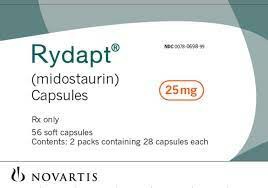
In specific use, midostaurin is usually used in combination with chemotherapy drugs (such as cytarabine and daunorubicin), and the standard dose is 50mg twice daily. Patients should take it once in the morning and after dinner, with an interval of about 12 hours to maintain stable blood levels. If you experience mild nausea or bloating, you can delay taking the medicine for 5–10 minutes and avoid taking it on an empty stomach or with dairy products to reduce stomach discomfort. It should be noted that if you miss a dose, you should not take it twice, but at the next normal time.
In general, midostaurin should be taken after meals as this is the best way to ensure absorption of the drug and reduce gastrointestinal side effects. Patients should maintain a regular diet during the medication period, and should not take it on an empty stomach or with a large amount of high-calcium foods, and should strictly follow the dosage and time schedule instructed by the doctor. Regular monitoring of liver function and blood pictures can help detect drug-related adverse reactions in a timely manner, so as to obtain optimal efficacy under the premise of safety.
Reference materials:https://www.drugs.com/
[ 免责声明 ] 本页面内容来自公开渠道(如FDA官网、Drugs官网、原研药厂官网等),仅供持有医疗专业资质的人员用于医学药学研究参考,不构成任何治疗建议或药品推荐。所涉药品可能未在中国大陆获批上市,不适用于中国境内销售和使用。如需治疗,请咨询正规医疗机构。本站不提供药品销售或代购服务。


