
.jpeg)
Can axitinib (Inlida) be taken together with traditional Chinese medicine and possible interactions?
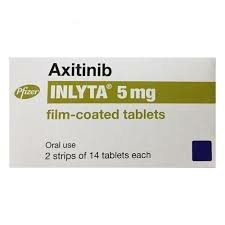
Axitinib (Axitinib) is an oral small molecule tyrosine kinase inhibitor (TKI), mainly used to treat a variety of solid tumors such as advanced renal cell carcinoma (RCC). Its mechanism of action is to inhibit the activity of vascular endothelial growth factor receptors (VEGFR-1, 2, 3), thereby blocking tumor angiogenesis and inhibiting tumor growth and spread. Because axitinib is broken down in the body through hepatic metabolic pathways (primarily the CYP3A4 enzyme system), drug interactions are an important concern when coadministering other drugs or herbal preparations.
Regarding the issue of taking it with traditional Chinese medicine, there is currently insufficient clinical research evidence to support that axitinib can be safely used with all traditional Chinese medicine. Some Chinese herbal ingredients (such as ginseng, astragalus, salvia, ginkgo, licorice, etc.) can affect the blood concentration of axitinib in the body by inducing or inhibiting CYP3A4, CYP2C19 and other metabolic enzymes, thereby changing the efficacy and even increasing the risk of toxicity. In particular, traditional Chinese medicines with the functions of "activating blood circulation and removing blood stasis" or "tonifying qi and promoting blood circulation" may increase the risk of bleeding or affect blood pressure control, so it is not recommended to use them casually during axitinib treatment.
In addition, some Chinese patent medicines or herbal preparations may increase the metabolic burden on the liver. Axitinib itself may cause side effects such as abnormal liver function, increased blood pressure, diarrhea, fatigue, etc. If you take traditional Chinese medicine containing complex plant ingredients at the same time, it may further aggravate the metabolic pressure on the liver, leading to an increased risk of drug-induced liver injury. For patients who wish to cooperate with traditional Chinese medicine, a reasonable medication plan should be formulated under joint evaluation by the oncology department and traditional Chinese medicine doctors to avoid potential interactions.
To sum up, it is not recommended to take axitinib with traditional Chinese medicine, especially drugs that contain blood-activating, choleretic or strong metabolism-inducing effects. If traditional Chinese medicine is indeed needed during treatment, the doctor should ensure that the doctor fully understands the patient's medication status and closely monitors changes in liver and kidney function and blood pressure. The principle of safe combined medication should be based on evidence-based medicine, so that Chinese and Western medicine can be synergistic but not conflicting, so as to minimize the risk of drug interactions while controlling tumors.
Reference materials:https://www.drugs.com/
[ 免责声明 ] 本页面内容来自公开渠道(如FDA官网、Drugs官网、原研药厂官网等),仅供持有医疗专业资质的人员用于医学药学研究参考,不构成任何治疗建议或药品推荐。所涉药品可能未在中国大陆获批上市,不适用于中国境内销售和使用。如需治疗,请咨询正规医疗机构。本站不提供药品销售或代购服务。


