
.jpeg)
What should patients do if they are resistant to Sorafenib/Nexavar?
Sorafenib/Nexavar (Sorafenib) resistance is a common problem in the treatment of hepatocellular carcinoma. Due to the high genetic heterogeneity of tumors, and the fact that liver cancer itself is often accompanied by underlying liver diseases, tumors may escape through long-term targeted inhibition in a variety of ways, including activating bypass signaling, enhancing angiogenesis, and changing drug uptake and metabolism. Therefore, drug resistance provides a key node for the adjustment of treatment strategies and also means that patients enter a new treatment stage.
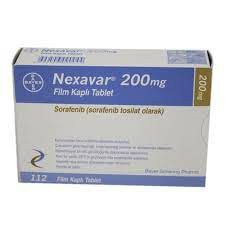
When signs of drug resistance appear, it is first necessary to determine whether drug resistance is a real progression. For example, imaging changes may be just necrosis, inflammation, or false enlargement, rather than actual tumor growth. Therefore, doctors usually conduct a comprehensive evaluation based on imaging, tumor markers, symptoms, etc. Once true drug resistance is confirmed, treatment should be adjusted promptly to avoid rapid progression of the disease.
Current international guidelines generally recommend switching to a drug with another mechanism of action after sorafenib resistance to block alternative signaling pathways that may be activated. For example, choose other multi-target inhibitors, FGFR pathway inhibitors or immune checkpoint inhibitors. In particular, immunotherapy has rapidly risen in status in the management of liver cancer. It can play a complementary role after sorafenib by activating the body's anti-tumor immunity.
Post-drug management is not limited to drug switching, but also includes global strategy adjustments based on the rate of disease progression. For patients with rapid progression and obvious symptoms, it may be necessary to choose a regimen with faster onset of action or stronger inhibition; for those with slow progression, a combination regimen or optimization of liver function support therapy may be considered to improve the tolerance of subsequent treatments.
In addition, interventional therapy after drug resistance can also play a role in some patients, such asTACE, ablation or radiotherapy can be used to locally control high-risk lesions and complement systemic treatments. Multidisciplinary team assessment of liver cancer is particularly important at this stage and can help develop a more precise treatment route for patients.
Reference materials:https://www.nexavar.com/
[ 免责声明 ] 本页面内容来自公开渠道(如FDA官网、Drugs官网、原研药厂官网等),仅供持有医疗专业资质的人员用于医学药学研究参考,不构成任何治疗建议或药品推荐。所涉药品可能未在中国大陆获批上市,不适用于中国境内销售和使用。如需治疗,请咨询正规医疗机构。本站不提供药品销售或代购服务。


