
.jpeg)
What are the specific effects of Sorafenib/Nexavar, a specific drug for liver cancer?
Sorafenib/Nexavar (Sorafenib) is the world's first oral targeted therapy drug widely recognized for advanced hepatocellular carcinoma. Since its approval, it has demonstrated important clinical value in a number of international studies and is currently one of the most representative basic drugs in the systemic treatment of liver cancer. Its efficacy is mainly reflected by prolonging overall survival, delaying disease progression, inhibiting tumor angiogenesis, and intervening in multiple signaling pathways of liver cancer cells. In overseas guidelines, sorafenib has always been placed in the first-line treatment position after surgery is not suitable or local treatment fails, because of its stable performance in the survival management of liver cancer.
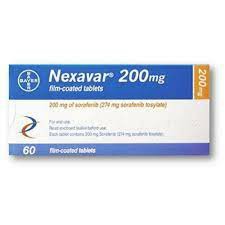
The mechanism of sorafenib stems from its multi-target inhibitory function. Liver cancer cells are characterized by high blood vessel dependence and abnormally active signaling pathways, including theRAF kinase pathway and VEGFR signaling axis, which are all involved in tumor growth. By blocking these key nodes, sorafenib can significantly reduce the nutrient supply required by tumors, suppress their ability to divide, and reduce microvascular neogenesis. Unlike traditional chemotherapy that only attacks rapidly dividing cells, sorafenib is better at interrupting the fundamental signals that drive tumor development and therefore plays an irreplaceable role in the treatment landscape of liver cancer.
Judging from research trends, the significance it brings to patients is not only reflected in extending survival, but also helping some patients maintain stable disease for a longer period of time. This stability means that it can delay the occurrence of typical symptoms of late-stage liver cancer such as jaundice, ascites, and pain, and provide patients with more treatment opportunities. Although individual differences can affect drug response, the stable effect of sorafenib in the overall population makes it an important tool in the standardized treatment of liver cancer.
On the other hand, many clinical centers have also observed in practice that sorafenib can reduce the rate of recurrence, especially in certain high-risk groups. The anti-angiogenic effect of the drug can reduce the growth kinetic energy of tumor micrometastases, causing the disease to enter a "low-speed progression" state.
Reference materials:https://www.nexavar.com/
[ 免责声明 ] 本页面内容来自公开渠道(如FDA官网、Drugs官网、原研药厂官网等),仅供持有医疗专业资质的人员用于医学药学研究参考,不构成任何治疗建议或药品推荐。所涉药品可能未在中国大陆获批上市,不适用于中国境内销售和使用。如需治疗,请咨询正规医疗机构。本站不提供药品销售或代购服务。


