
.jpeg)
What are the common side effects of Evantumumab/Carestream?
Amivantamab is a bispecific antibody that targets both EGFR and MET receptors. It is mainly used to treat patients with non-small cell lung cancer (NSCLC) with EGFR exon 20 insertion mutations. As a new type of targeted drug, it has remarkable efficacy, but there are still certain adverse reactions in clinical application, which is of great significance for patient management and efficacy monitoring.
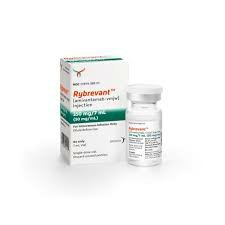
The most common side effects of evantumumab in clinical trials and postmarketing reports include injection-related reactions, rash, pruritus, and fatigue. Injection-related reactions usually occur during the first dose of administration and manifest as symptoms such as fever, chills, hypotension, rash or urticaria. They are mostly mild to moderate and usually resolve within a few hours after the end of the drug infusion. To reduce injection-related reactions, it is clinically recommended to pre-treat with antihistamines or glucocorticoids before the first dose, and to closely monitor vital signs during the infusion.
Skin-related adverse reactions are also a major concern in clinical practice, including acne-like rash, dryness, itching, and skin abnormalities on the hands and feet. Evantumumab interferes with epidermal cell proliferation and differentiation by inhibiting the EGFR signaling pathway, thereby causing skin side effects. Although generally controllable, such reactions may affect the patient's quality of life and therefore require early prevention and intervention, such as the use of moisturizers, topical anti-inflammatory ointments, or oral antihistamines.
In addition, evantumumab may cause mild to moderate hematological adverse reactions, including decreased white blood cell count, thrombocytopenia, and anemia. Although such side effects are relatively rare, when combined with chemotherapy or used for a long time, blood routine monitoring needs to be regularly monitored and dosage adjustments made if necessary. Other adverse effects include stomatitis, diarrhea, and fatigue, which are usually relieved with symptomatic and supportive treatment.
Reference materials:https://www.rybrevant.com/
[ 免责声明 ] 本页面内容来自公开渠道(如FDA官网、Drugs官网、原研药厂官网等),仅供持有医疗专业资质的人员用于医学药学研究参考,不构成任何治疗建议或药品推荐。所涉药品可能未在中国大陆获批上市,不适用于中国境内销售和使用。如需治疗,请咨询正规医疗机构。本站不提供药品销售或代购服务。


