
.jpeg)
Detailed analysis of clinical efficacy data and patient experience of tovorafenib
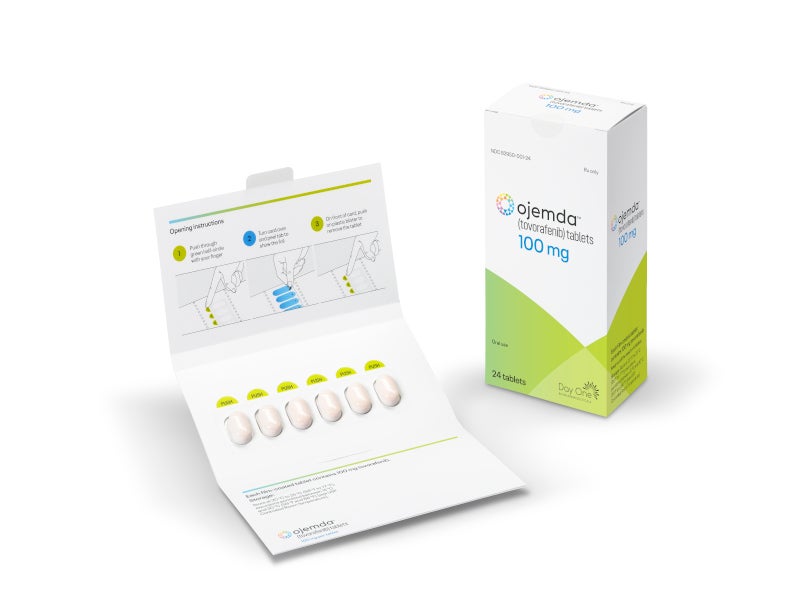
Tovorafenib (trade name: OJEMDA™) is an oral, once-weekly II RAF kinase inhibitor designed to carry BRAF Fusion/ rearrangement or BRAF V600 mutated pediatric low-grade glioma (pediatric low-grade glioma, pLGG) patient design. Such patients often lack effective targeted treatment options after failure of standard treatments, so the emergence of tovorafenib provides new treatment hope for this difficult-to-treat population. FDA approved it in 2024 4 month for use in patients 6 months and older, who have failed previous treatment or have disease progression and who carry BRAF Fusion / rearrangement or V600 mutation pLGG patients. The drug inhibits tumor cell proliferation by targeting the BRAF abnormal signaling pathway. At the same time, it significantly reduces the treatment burden for pediatric patients through once-weekly oral administration.
In terms of clinical efficacy, tovorafenib was granted accelerated approval by the FDA mainly based on the data from the II phase FIREFLY-1 study. The study included 77 patients aged from 6 months to 25 years old, all of whom had BRAF altered forms. pLGG and have received at least first-line systemic therapy. Among 76 patients evaluable for response, the overall response rate (ORR) as assessed by RAPNO-LGG (pediatric low-grade glioma criteria) was approximately 51%, and the median duration of response (DoR) was approximately 13.8 months. Meanwhile, 69 evaluated according to RANO-HGG (high-grade glioma criteria)Patients, ORR reached approximately 67%, and the median DoR was 16.6 months. These data demonstrate that tovorafenib exhibits significant antitumor activity in patients with refractory pediatric low-grade glioma and provides patients with realistic and feasible therapeutic benefits. Efficacy data also show that some patients experienced significant tumor shrinkage or stable disease during treatment, thereby improving symptoms and quality of life, bringing hope to patients and their families.
In terms of safety and tolerability, the FIREFLY-1 study shows that the overall tolerability of tovorafenib is controllable. The most common adverse events include changes in hair color (approx. 76%), fatigue (44%), rash (41% span>), dry skin (33%), and acneiform rashes (30%). In terms of laboratory indicators, common abnormalities are elevated creatine phosphokinase (CPK), anemia, hypophosphatemia, and elevated transaminases. Grade ≥3 The incidence of adverse events is about 42%, of which CPK is increased by about 12%, and anemia is about 10% and approximately 7% of patients discontinued treatment due to treatment-related adverse events. These data show that although adverse events are prevalent, most are manageable grade 1-2 events and that most patients can continue to complete treatment through dose adjustment, symptomatic management, or brief discontinuation. Especially in children, long-term follow-up monitoring is crucial for growth and development, liver and kidney function, and nervous system safety.
From the perspective of patient experience, the once-weekly oral administration of tovorafenib significantly improves the convenience of taking the drug. Compared with daily oral or intravenous chemotherapy, it reduces the number of medical visits and treatment burden, and is more acceptable to pediatric patients and families. Based on clinical data and patient feedback, more than half of patients achieved tumor shrinkage or stable disease during treatment, meaning patients may experience symptom relief, improved ability to perform daily activities, and improved quality of life. Additionally, manageable side effects such as changes in hair color, rash, or fatigue occur, but with appropriate care and medical intervention, most patients are able to continue completing their treatment. Close cooperation between parents and the medical team is equally important for side effect management, psychological support and long-term follow-up to ensure that patients enjoy the therapeutic effects while minimizing adverse experiences.
Taken together, tovorafenib provides the first targeted treatment option for pediatric low-grade glioma patients with BRAF fusion / rearrangement or V600 mutation. Its high response rate, considerable duration of response, and once-weekly administration give it clear advantages in clinical practice. However, its limitations cannot be ignored: the indications are currently limited to patients with pLGG with specific gene changes, and long-term safety still requires further observation, especially the impact on children's growth, development and cognition. In addition, marketing in the context of accelerated approval means that confirmatory trials are still needed in the future to further verify its long-term efficacy and safety. In clinical application, it is necessary to strictly screen qualified patients, regularly monitor blood routine, liver and kidney function, cardiovascular and nervous system status, and combine symptomatic treatment and psychosocial support to optimize the treatment effect and improve the patient's overall quality of life.
Reference materials:https://www.drugs.com/
[ 免责声明 ] 本页面内容来自公开渠道(如FDA官网、Drugs官网、原研药厂官网等),仅供持有医疗专业资质的人员用于医学药学研究参考,不构成任何治疗建议或药品推荐。所涉药品可能未在中国大陆获批上市,不适用于中国境内销售和使用。如需治疗,请咨询正规医疗机构。本站不提供药品销售或代购服务。


