
.jpeg)
Clinical data on the therapeutic effect of the new anti-lung cancer drug Osimertinib (Tagrisso)
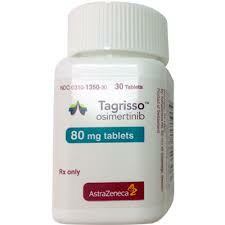
Osimertinib (Osimertinib) is a third-generation irreversible EGFRtyrosine kinase inhibitor (EGFR-TKI) that targets common sensitizing mutations (such as Ex19d el, L858R) and the T790M resistance mutation caused by early EGFR-TKI all have inhibitory activity. The drug is administered orally, and the standard dose is 80 mg per day; higher doses have been reported to be useful in some meningeal metastases or special cases, but it needs to be adjusted under the supervision of a specialist. It can be used for both first-line (without previous systemic EGFR-TKI treatment) and for patients who develop symptoms after first-generation /second-generation EGFR-TKI
In the first-line FLAURA trial, osimertinib was compared with first-generation EGFR-TKI(gefitinib/erlotinib) reduces median progression-free survival (mPFS) from approximately pan>10.2 months was significantly extended to approximately 18.9 months, and showed a benefit trend in overall survival (OSsuperior), which makes osimertinib recommended in many guidelines as the first-line preferred regimen for EGFR sensitive mutations. The trial also showed that the use of first-line osimertinib can delay the time window for the occurrence of resistance, bringing patients longer disease control and less central nervous system (CNS) progression.
For patients who developed T790M after previous EGFR-TKI, the AURA3 phase III randomized controlled trial demonstrated that osimertinib is better than platinum-pemetrex Cyclotherapy chemotherapy is significantly superior in objective response rate (ORR) and PFS: the mPFS of the osimertinib group is about 10.1 months, The ORR was about 71%, while the corresponding value in the chemotherapy group was significantly lower (mPFS 4.4 months). This result establishes the standard status of osimertinib in patients with T790M positive secondary resistance and significantly improves the treatment outcomes of such patients.
Osimertinib has better penetration and activity into central nervous system (brain metastasis and meningeal metastasis) lesions, which has been confirmed in multiple subgroups and real-world studies. Compared with early-stage EGFR-TKIs, osimertinib significantly reduces the risk of brain disease progression and improves intracerebral remission rates, benefiting patients with brain metastases with or without previous radiotherapy; this is especially important for the control of clinically common brain metastases, because brain metastases are one of the key factors affecting survival and quality of life. In recent years, trials based on the combination of osimertinib and chemotherapy have also shown that there may be further benefits in CNS control, suggesting that combination strategies are the direction to optimize the management of brain lesions in the future.
Resistance mechanisms and subsequent treatment are core issues in clinical practice. Although osimertinib can prolong the progression-free period, most patients will eventually develop acquired resistance. Common mechanisms includeEGFR C797S site mutation (directly affects osimertinib binding), MET amplification, HER2 amplification, MAPK pathway reactivation or small cell dedifferentiation, etc. Elucidation of resistance mechanisms (using tissue or liquid biopsy testing) is critical to developing next-step treatment strategies: forC797S (if cis or simultaneous cases) is relevant to drug selection,< For patients with span>METamplification, combined treatment with MET inhibitors may be considered. Changes in epidermal biomarkers or small cell transformation require re-evaluation of chemotherapy or immunotherapy. Individualized combination treatment and clinical trial enrollment after drug resistance are currently important paths.
In terms of safety, osimertinib is generally well tolerated, with common adverse events including rash, diarrhea, constipation, oral ulcers, fatigue, and mild liver enzyme elevations; however, rare but serious adverse reactions that need to be focused on include interstitial lung disease (ILD/pneumonia-like changes) and QT interval prolongation (electrocardiogram monitoring is necessary). Therefore, cardiopulmonary and liver function should be assessed before initiating osimertinib clinically, and regular follow-up (imaging, liver and kidney function, electrolytes, electrocardiogram, etc.) should be performed during treatment. When respiratory symptoms or progressive hypoxia occur, a high degree of vigilance and timely imaging examination and drug discontinuation evaluation should be performed.
It is worth mentioning that with the deepening of research, the application scenarios of osimertinib are expanding—including first-line combination with chemotherapy or other targets/Combined immunotherapy (such as FLAURA-2 and COMPEL and other subsequent studies have shown Combination therapy may improve certain outcomes (PFS and CNS control), as well as explore treatment options for meningeal metastases or complex drug resistance profiles. These developments indicate that in the future, through precise molecular testing + personalized combination strategies, the survival benefit of osimertinib-related patients will be further improved.
In summary, osimertinib has excellent CN Sactivity and confirmed clinical benefit in first- and second-line settings have become the central drug for the treatment of EGFRmutatedNSCLC. Core points in clinical practice include: accurate genetic testing to select indications, baseline and follow-up organ function and imaging monitoring, real-time assessment of resistance mechanisms (tissue or liquid biopsy), and selection of subsequent targeted or chemotherapy clinical trial strategies based on the type of resistance. Through these means, osimertinib can bring longer disease control period, better management of brain lesions and overall survival benefit to patients with EGFR mutation.
Reference materials:https://www.drugs.com/
[ 免责声明 ] 本页面内容来自公开渠道(如FDA官网、Drugs官网、原研药厂官网等),仅供持有医疗专业资质的人员用于医学药学研究参考,不构成任何治疗建议或药品推荐。所涉药品可能未在中国大陆获批上市,不适用于中国境内销售和使用。如需治疗,请咨询正规医疗机构。本站不提供药品销售或代购服务。


