
.jpeg)
What is the therapeutic effect of Trametinib (Megenin) and comparison of the efficacy in different patients
Trametinib is a highly selective MEK inhibitor that inhibits the growth and proliferation of tumor cells mainly by blocking the RAS/RAF/MEK/ERK signaling pathway. The drug is widely used to treat patients with advanced melanoma, non-small cell lung cancer and some colorectal cancers carrying BRAF V600 mutations. In recent years, with the development of targeted combination therapy concepts, trametinib is often combined with BRAF inhibitors (such as dabrafenib) to enhance the therapeutic effect and delay the occurrence of drug resistance. Judging from a large number of clinical studies and patient feedback, trametinib has shown good efficacy in prolonging survival, reducing tumor volume and improving quality of life.
In the treatment of advanced melanoma, the objective response rate (ORR) of trametinib monotherapy is about 20%-25%. When used in combination with dabrafenib, the response rate can be significantly increased to about 70%, and some patients even experience complete remission. Studies have shown that combination therapy can significantly prolong progression-free survival (PFS), from about 4.8 months to 11-12 months, and the median overall survival (OS) is also extended to more than 25 months. This remarkable efficacy is mainly due to the synergistic mechanism of dual inhibition of MEK and BRAF, which can effectively inhibit the escape of tumor cells from the inhibition of a single pathway, thereby delaying the development of drug resistance. Some clinical cases also show that patients receiving trametinib combination therapy are better than traditional chemotherapy or immunotherapy in terms of local control of skin metastasis, lymph node metastasis, etc.
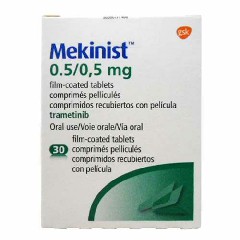
There are certain differences in the efficacy of trametinib in different types of cancer. For example, in non-small cell lung cancer (especially patients carrying BRAF V600E mutation), the overall effective rate of trametinib combined with dabrafenib treatment can reach 63%-68%, which is significantly higher than the 20%-30% of the standard chemotherapy group. In addition, the efficacy of trametinib has been gradually confirmed in some rare thyroid cancers, cholangiocarcinomas and colorectal cancers. Especially for patients who have received multiple lines of treatment, are resistant to chemotherapy or have failed immunotherapy, trametinib provides them with new treatment hope. However, the efficacy varies greatly among different patients, which is closely related to factors such as tumor molecular type, mutation type, liver and kidney function status, and previous treatment history. ForIn patients with BRAF wild-type, the efficacy of trametinib is relatively limited, suggesting that genetic testing should be performed before treatment to clarify indications.
Overall, trametinib has become an important part of the targeted therapy system. Its advantages include high effective rate, good oral tolerance and clear target mechanism, but at the same time, potential side effects need to be paid attention to, such as rash, diarrhea, abnormal cardiac function and blurred vision, etc., which need to be monitored regularly under the guidance of a doctor. Future research will focus more on the combined application with other immune checkpoint inhibitors (such as PD-1 or CTLA-4 antibodies) in order to further improve efficacy and improve drug resistance problems. For patients, trametinib not only represents an advancement in personalized treatment, but also marks a shift in targeted therapy from precise screening to long-term disease management. Scientific and reasonable medication and monitoring will allow more patients to benefit from it and achieve longer survival and better quality of life.
Reference materials:https://www.drugs.com/
[ 免责声明 ] 本页面内容来自公开渠道(如FDA官网、Drugs官网、原研药厂官网等),仅供持有医疗专业资质的人员用于医学药学研究参考,不构成任何治疗建议或药品推荐。所涉药品可能未在中国大陆获批上市,不适用于中国境内销售和使用。如需治疗,请咨询正规医疗机构。本站不提供药品销售或代购服务。


