
.jpeg)
Efficacy of first-line acalabrutinib plus BR in high-risk MCL populations
In modern medical research, the efficacy of acotinib (Acalabrutinib) combined with bendamustine and rituximab (Rituxan; BR) in patients with high-risk mantle cell lymphoma (MCL; non-Hodgkin lymphoma) has attracted much attention. Against this background, the ENRICH Phase 2 study (NCT01880567) explored whether conventional chemotherapy could be omitted entirely in favor of the BTK inhibitor ibrutinib (Imbruvica) combined with rituximab in older patients with previously treated MCL. The study showed that treatment with ibrutinib plus rituximab was significantly more effective than standard chemotherapy in patients classified as having low-risk disease, a finding that sparked widespread concern among the medical community.
The results have important clinical implications and highlight the advantages of oral BTK inhibitors compared with chemotherapy regimens that have been the standard of care for decades, especially in reducing drug toxicity. He emphasized that these results raise an important clinical question: how to effectively treat patients with high-risk first-line MCL and whether the potential benefits of targeted therapy can be extended to this population.
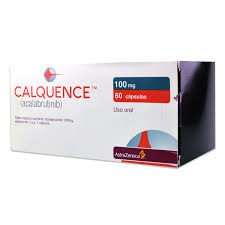
In theENRICH trial, data showed that high-risk patients benefited more from chemotherapy than from the BTK inhibitor plus rituximab alone. Therefore, the phase 3 ECHO trial (NCT02972840) was established to evaluate the combination of chemotherapy and a BTK inhibitor (i.e., BR plus acotinib) in this high-risk patient population. High-risk disease is defined by the presence of specific biological features, such as blast histology, Ki-67 proliferation index greater than 30%, or presence of TP53 mutations. Simply identifying any one of these characteristics can classify a patient as high risk.
The ECHO regimen demonstrated significant clinical benefit in this high-risk population. Across the entire study group (n=299), patients treated with acotinib achieved a complete response rate of 66.6%, and among high-risk patients (n=187), this rate even reached 67.9%. This improvement in response was directly reflected in progression-free survival (PFS) for the entire cohort. Subgroup analysis provided further insight: In the acotinib arm, patients with blastocyst-like morphology (n=41) achieved a stronger PFS benefit, with a hazard ratio (HR) of 0.59 (95% CI, 0.33-1.07; P=0.0775), compared with an HR of 0.73 (95% CI, 0.57-0.94; P=0.0160) for the overall study population. Similarly, patients with a Ki-67 index of at least 50% (n=62) also benefited from the addition of acotinib, with a HR of 0.69 (95% CI, 0.42-1.09; P=0.1138).
The difference in PFS curves further validates the clinical reality that chemotherapy alone is insufficient to effectively manage high-risk disease, a view that has long been suspected in the medical community and is now supported by randomized trial evidence. However, he also pointed out that due to the relatively small sample size of this trial, it is not possible to make clear conclusions about the therapeutic effect of patients with TP53 mutations.
In summary, the potential of acotinib combined with bendamustine and rituximab in high-risk MCL patients is increasingly apparent, especially in reducing the burden of chemotherapy and improving efficacy. These latest research results provide new perspectives and directions for the treatment of MCL. Future research still needs to further explore the role of different biomarkers in targeted therapy and how to optimize treatment strategies to improve patient prognosis. Through continuous research and clinical trials, we look forward to providing safer and more effective treatment options for high-risk MCL patients.
Reference materials:https://www.onclive.com/view/dr-dreyling-on-the-efficacy-of-frontline-acalabrutinib-plus-br-in-high-risk-mcl
[ 免责声明 ] 本页面内容来自公开渠道(如FDA官网、Drugs官网、原研药厂官网等),仅供持有医疗专业资质的人员用于医学药学研究参考,不构成任何治疗建议或药品推荐。所涉药品可能未在中国大陆获批上市,不适用于中国境内销售和使用。如需治疗,请咨询正规医疗机构。本站不提供药品销售或代购服务。


