
.jpeg)
The efficacy and role of vorasidenib-VORANIGO and analysis of different patients’ experience and efficacy
Vorasidenib (trade name VORANIGO) is a new type of small molecule oral drug that is a bispecific isocitrate dehydrogenase (IDH) inhibitor that can selectively inhibit the activities of IDH1 and IDH2 mutant enzymes. IDH mutations are widely present in gliomas and some hematological malignancies. By catalyzing the conversion of isocitrate to 2-hydroxyglutarate (2-HG), it leads to cell metabolism disorders and abnormal proliferation of tumor cells. Vorsidenib inhibits the activity of IDH mutant enzyme, reduces 2-HG levels, and restores normal cell differentiation and metabolism, thereby inhibiting tumor progression and providing a new approach to precise treatment of IDH mutation-related tumors.
Experience in patients with glioma shows that voroxiranib can significantly delay tumor progression, especially for patients with relapsed or refractory IDH1/2 mutated low-grade glioma. Clinical research data shows that the drug can stabilize or even shrink tumor volume in some patients, improve quality of life, and extend progression-free survival (PFS). In long-term follow-up, vorsidenib was well tolerated, with most adverse reactions being mild to moderate, such as fatigue, nausea, slight changes in hematological indicators, etc., and the probability of serious toxic events was relatively low, which provides the possibility of long-term oral treatment.
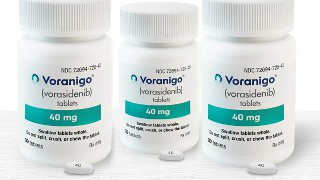
There are certain differences in the efficacy of vorsidenib in different patient groups. Young patients and patients with lower tumor grades usually respond better, with higher tumor control and remission rates, while elderly patients or patients with multiple comorbidities may have slightly lower efficacy, but still have a certain disease stabilizing effect. In addition, for relapsed patients who have previously received radiotherapy or chemotherapy, vorsidenib combined with existing treatment options can delay disease progression and reduce the burden of chemotherapy-related toxicity, providing a safer and tolerable treatment option for refractory patients.
Clinical experience with vorsidenib also shows that drug management and monitoring are critical. Patients should undergo IDH1/2 gene mutation testing before starting treatment to ensure the accuracy of targeted indications. Hematological indicators, liver and kidney functions, and 2-HG levels should be regularly monitored during treatment to evaluate efficacy and safety. For patients with hematological diseases, abnormal blood cell counts require timely adjustment of dosage or temporary discontinuation of medication; for patients with glioma, regular MRI examinations can help doctors evaluate tumor response and adjust treatment plans. In addition, patients should pay attention to drug interactions during medication and avoid interactions with strongCYP3A4Use inhibitors or inducers together to avoid affecting the plasma concentration of vorsidenib.
Taken together, vorsidenib, as a IDH1/2 mutation-targeted inhibitor, has shown good efficacy and tolerability in IDH mutation-related gliomas and hematological malignancies. Individualized treatment strategies for different patients need to be formulated based on tumor type, gene mutation status, previous treatment history, patient age and comorbidities to maximize efficacy and safety. Long-term clinical application experience shows that vorsidenib can not only delay tumor progression, but also improve patients' quality of life. It is an important breakthrough in the field of IDH mutation-targeted treatment and provides a new practical direction for precision medicine.
Reference materials:https://www.drugs.com/
[ 免责声明 ] 本页面内容来自公开渠道(如FDA官网、Drugs官网、原研药厂官网等),仅供持有医疗专业资质的人员用于医学药学研究参考,不构成任何治疗建议或药品推荐。所涉药品可能未在中国大陆获批上市,不适用于中国境内销售和使用。如需治疗,请咨询正规医疗机构。本站不提供药品销售或代购服务。


