
.jpeg)
Analysis and explanation of telisotuzumab-EMRELIS injection course and clinical usage plan
Telisotuzumab (trade name EMRELIS) is a monoclonal antibody drug conjugate targeting the c-Met receptor (ADC), mainly used to treat non-small cell lung cancer (NSCLC) with high expression of c-Met. This drug specifically binds to c-Met receptors on the surface of tumor cells and delivers cytotoxic drugs directly to cancer cells, thereby achieving precise killing while reducing damage to normal tissues. Clinical trials have shown that it has certain efficacy in patients with relapsed or refractory c-Met high expression.
Clinical use regimens for EMRELIS are generally administered by intravenous infusion. The standard recommended dose is administered as an intravenous infusion once every three weeks. The length of the treatment course is generally determined by the patient's tolerance, tumor response, and adverse reactions. Doctors will dynamically adjust the medication plan based on imaging examinations and laboratory indicators. Blood routine, liver and kidney function, and potential allergic reactions need to be closely monitored during treatment to ensure safety.
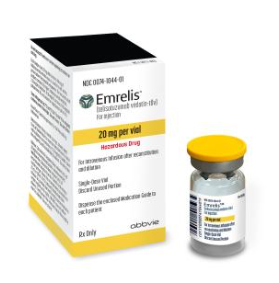
In terms of treatment schedule, a comprehensive assessment is usually conducted before the first dose of injection, including confirmation of tumorc-Met expression levels, basic liver and kidney function tests, and previous drug use history. During the initial administration, medical staff will observe the patient for infusion-related reactions, such as fever, chills, or blood pressure fluctuations. If mild to moderate adverse reactions occur, treatment can be continued by extending the infusion time or symptomatic treatment; if severe reactions occur, the medication needs to be suspended and subsequent dosages adjusted.
Generally speaking, the treatment course design of territuzumab (EMRELIS) is centered on patient individualization, emphasizing both efficacy monitoring and safety management. Through intravenous administration at fixed intervals, regular imaging follow-up and laboratory monitoring, doctors can ensure the efficacy of the drug while minimizing the risk of adverse reactions. Patients should strictly follow the doctor's instructions during use and do not change the dosage or stop the medication early to achieve the best therapeutic effect.
Reference materials:https://www.drugs.com/
[ 免责声明 ] 本页面内容来自公开渠道(如FDA官网、Drugs官网、原研药厂官网等),仅供持有医疗专业资质的人员用于医学药学研究参考,不构成任何治疗建议或药品推荐。所涉药品可能未在中国大陆获批上市,不适用于中国境内销售和使用。如需治疗,请咨询正规医疗机构。本站不提供药品销售或代购服务。


