
.jpeg)
The overall therapeutic effect and clinical feedback of Roprostim (Huierning)
Romiplostim (Romiplostim) is a recombinant fusion protein thrombopoietin receptor agonist (TPO-RA). It is mainly used to treat patients with chronic immune thrombocytopenia (ITP), especially those who are ineffective in traditional treatments such as glucocorticoids, immune globulin or splenectomy. The drug activates the JAK2/STAT5 signaling pathway by binding to the TPO receptor, promoting the proliferation and maturation of megakaryocytes in the bone marrow, thereby increasing the number of platelets in peripheral blood and reducing the risk of bleeding. Since its approval for marketing, clinical feedback from around the world shows that Roprestim is effective and safe, and has become an important choice for the management of chronic ITP.
From the clinical effect point of view, the onset of action of Roprostim is relatively fast, and a significant increase in platelet count can usually be observed within 1 to 2 weeks after administration. Multiple randomized controlled trials (such as the RAISE study and the EXTEND long-term study) have shown that more than 80% of patients are taking Luopu After taking Sting, the target level of platelets ≥50×10⁹/L can be achieved, and symptoms such as subcutaneous bleeding, gum bleeding and menorrhagia can be significantly reduced. What's more, compared with traditional treatments, loprostim effectively reduces the incidence of serious bleeding events and reduces the need for blood transfusions or steroid dependence. In some patients, their platelet levels stabilize after continuous use for 3 to 6 months, and they can even gradually reduce the dose or discontinue the drug under the guidance of a doctor to maintain long-term remission.
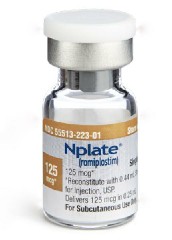
In real-world applications, the efficacy of Roprostim has also been verified. Multiple clinical observations have shown that Roprostim can significantly increase platelet levels regardless of whether the patient has undergone splenectomy or whether he has autoimmune diseases or other comorbidities. Especially among elderly patients and those with long-term refractory ITP, the response rate of loprostim is still around 70%. Some studies have also found that continued use of roplastin can improve the bone marrow microenvironment and promote the recovery of hematopoietic function. It may have an immunomodulatory effect on some patients and help achieve "functional cure." In addition, patients generally report that the injection is easy to operate (subcutaneous injection once a week), the life burden is light, and the compliance is high.
In terms of safety, Roprostim is generally well tolerated. Common adverse reactions include headache, fatigue, joint pain, mild nausea and injection site reactions, most of which are mild to moderate and reversible. The main concern of long-term medication is that excessive elevation of platelets may increase the risk of thrombosis, so doctors will dynamically adjust the dose based on the patient's platelets to maintain it within a safe range. A very small number of patients will experience a temporary decrease in platelets after stopping the drug, but this usually recovers on its own. Regarding the risk of myelofibrosis, long-term follow-up studies have shown that the drug does not significantly increase clinically significant fibrosis events. Overall, Roprostim maintains a good balance between efficacy and safety, and is currently an important and reliable drug choice in the long-term treatment of ITP.
To sum up, due to its significant platelet-promoting effect, rapid onset of action and high remission rate, loplastin has become one of the core drugs for the treatment of chronic ITP worldwide. In both clinical trials and real-world use, patients demonstrated favorable platelet recovery and improved quality of life. Its subcutaneous injection administration method is simple and safe, and can maintain stable efficacy for a long time, bringing new treatment hope to patients with refractory or relapsed ITP. In the future, with the accumulation of more long-term follow-up data, the potential of roplastin in the fields of combination medication, immunomodulation and personalized treatment is expected to be further expanded.
Reference materials:https://www.drugs.com/
[ 免责声明 ] 本页面内容来自公开渠道(如FDA官网、Drugs官网、原研药厂官网等),仅供持有医疗专业资质的人员用于医学药学研究参考,不构成任何治疗建议或药品推荐。所涉药品可能未在中国大陆获批上市,不适用于中国境内销售和使用。如需治疗,请咨询正规医疗机构。本站不提供药品销售或代购服务。


