
.jpeg)
Does Axitinib (Inlida) cause nausea and vomiting and treatment options
Axitinib is a highly selective vascular endothelial growth factor receptor (VEGFR) inhibitor, mainly used to treat advanced renal cell carcinoma (RCC) and some other solid tumors. As an oral small molecule targeted drug, axitinib delays tumor growth by inhibiting tumor angiogenesis. However, because its mechanism of action involves the regulation of blood vessels and digestive system, many patients will experience gastrointestinal reactions such as nausea and vomiting during medication.
Nausea and vomiting are one of the more common adverse reactions of axitinib, and their incidence is related to dose, individual tolerance and medication time. Some patients are more likely to experience mild to moderate nausea during the initial treatment or dose adjustment phase, and a very small number of patients may experience persistent vomiting. The mechanism is mainly related to the stimulation of the gastrointestinal mucosa, vascular reaction and central nervous system by the drug. At the same time, the accompanying changes in liver function or metabolism may also aggravate gastrointestinal discomfort. In most cases, these reactions are reversible and will gradually resolve as treatment continues or the dose is adjusted.
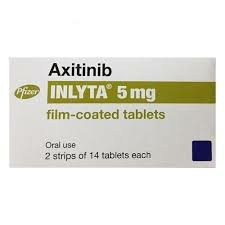
In terms of response, it is clinically recommended that patients take medication half an hour after a meal to reduce gastric irritation while maintaining adequate fluid intake. If obvious nausea or vomiting occurs, antiemetics, such as ondansetron (Ondansetron), can be used under the guidance of a doctor. During symptomatic treatment, avoid taking drugs that may increase gastrointestinal burden, such as nonsteroidal anti-inflammatory drugs. In addition, you can choose light, easy-to-digest foods, avoid high-fat, spicy or irritating meals, and eat small portions at separate meals to help improve gastric discomfort.
For persistent or severe nausea and vomiting, the doctor should be informed in time. If necessary, temporary dose reduction or drug withdrawal may be considered to prevent complications such as dehydration and electrolyte imbalance. Your doctor may adjust your dose or change your treatment depending on the severity of your symptoms. In most cases, nausea and vomiting can be well controlled with dose optimization, adjunctive medical support, and dietary management. Overall, gastrointestinal reactions caused by axitinib are controllable. The key lies in early identification, scientific intervention and individualized adjustment to ensure smooth treatment and maintain quality of life.
Reference materials:https://www.drugs.com/
[ 免责声明 ] 本页面内容来自公开渠道(如FDA官网、Drugs官网、原研药厂官网等),仅供持有医疗专业资质的人员用于医学药学研究参考,不构成任何治疗建议或药品推荐。所涉药品可能未在中国大陆获批上市,不适用于中国境内销售和使用。如需治疗,请咨询正规医疗机构。本站不提供药品销售或代购服务。


