
.jpeg)
A full analysis of the main contents of Mecobalamin instructions and precautions for taking it
Mecobalamin (Mecobalamin) is an active form of vitamin B12. It is a water-soluble vitamin drug and is mainly used to treat various types of neuropathy and vitamin B12 deficiency-related diseases. It can be converted into coenzyme form in the human body, participates in nucleic acid and protein synthesis, and plays an important role in nerve repair, red blood cell production and metabolic regulation. The following is a detailed analysis of the main contents of the instructions for methylcobalamin and the precautions for taking it.
Indications and clinical uses
Methylcobalamin is mainly suitable for peripheral neuropathy and diseases caused by vitamin B12 deficiency, including diabetic neuropathy, peripheral neuritis, vitamin B12 deficiency anemia, nerve damage after surgery or chemotherapy, etc. Clinical studies have shown that methylcobalamin can promote the regeneration of nerve axons, repair of myelin sheaths, and recovery of nerve conduction speed, thereby improving symptoms of neuropathy such as numbness, pain, and tingling. In addition, it also has an auxiliary role in the treatment of senile cognitive decline and certain neurodegenerative diseases.
Usage and dosage
The administration routes of methylcobalamin include oral, intramuscular and intravenous injection. Oral dosage is usually 1.5~5 mg per day, taken in divided doses; intramuscular injection or intravenous injection is often used for acute or severe patients. The general dose is 0.5~1 mg per day. If necessary, the course of treatment can be extended to weeks or months. The specific dose needs to be adjusted according to the condition and the guidance of the physician. For children or frail patients, individual dosage adjustments should be made based on weight and specific condition. During long-term use, blood vitaminB12 levels and blood routine should be regularly evaluated to ensure efficacy and safety.
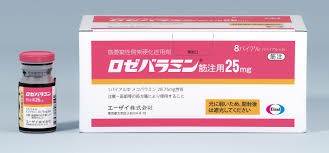
Precautions and adverse reactions
Methylcobalamin is generally safe, but individual differences and potential risks still need to be noted. Common adverse reactions include mild diarrhea, rash, itchy skin, or pain at the injection site. A very small number of patients may experience allergic reactions, such as worsening of rash, difficulty breathing or facial swelling. Once this occurs, they should stop taking the drug and seek medical advice immediately. For patients with severe hepatic and renal insufficiency, a history of allergies, or who are receiving other vitamin B12 drugs, caution should be used or the dosage should be adjusted.
Drug interactions and medication precautions
Methylcobalamin has relatively few interactions with other drugs, but it should be noted that anti-epileptic drugs (such as phenytoin, carbamazepine) and high-dose antibiotics (such as ampicillin) may affect its absorption or metabolism. Oral methylcobalamin should be taken after meals to increase the absorption rate; long-term medication requires regular monitoring of serum vitaminsB12Improvements in blood levels and neurological function. Pregnant and lactating women should consult a doctor before use to ensure the drug is safe for mother and baby.
To sum up, methylcobalamin is a safe and effective vitamin B12 active preparation, suitable for a variety of neuropathy and vitamin B12 deficiency related diseases. Reasonable dosage, standardized taking methods and regular monitoring are the keys to ensuring efficacy and safety. During use, you should strictly follow the doctor's instructions, pay attention to potential adverse reactions, and combine it with lifestyle and dietary management to achieve the best therapeutic effect.
Reference materials:https://www.drugs.com/
[ 免责声明 ] 本页面内容来自公开渠道(如FDA官网、Drugs官网、原研药厂官网等),仅供持有医疗专业资质的人员用于医学药学研究参考,不构成任何治疗建议或药品推荐。所涉药品可能未在中国大陆获批上市,不适用于中国境内销售和使用。如需治疗,请咨询正规医疗机构。本站不提供药品销售或代购服务。


