
.jpeg)
How long should you take Osimertinib (Tagressa) to achieve the best effect?
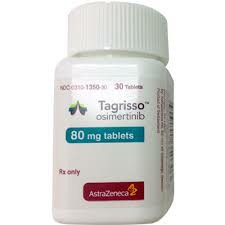
Osimertinib (Osimertinib) is a third-generation oral epidermal growth factor receptor (EGFR) tyrosine kinase inhibitor (TKI), mainly used for < /span>EGFRMutation-positive non-small cell lung cancer (NSCLC) patients, including patients with T790M drug-resistant mutations. It selectively inhibits EGFR sensitive mutations and T790M resistant mutations, blocking downstream signaling pathways, thereby inhibiting tumor cell proliferation and inducing apoptosis.
Clinical studies have shown that osimertinib is rapidly absorbed in the body and reaches peak plasma concentration in about 6 hours after oral administration, but it usually takes about 8 days for the drug to reach steady-state concentration. Although the blood drug concentration stabilizes quickly, clinical efficacy requires a certain amount of time to accumulate. In multicenter clinical trials (such as AURA3), most patients begin to observe objective responses (tumor shrinkage or disease stabilization) around 2 months to 3 months, which is generally considered the initial window for evaluating efficacy.
The difference in the time of optimal response is mainly related to individual patient factors, tumor burden, EGFR mutation type and previous treatments. For example, patients with high tumor burden or brain metastases may experience relatively slow response, whereas patients with early diagnosis and high tumor sensitivity may experience significant responses within 1–2 months of treatment. In addition, medication compliance, concomitant medications, and liver and kidney function status also affect how quickly efficacy is achieved.
Therefore, in clinical application, osimertinib usually requires continuous administration at least 2–3 months to initially evaluate the efficacy, and the optimal efficacy may require longer observation and maintenance. During the medication period, patients should undergo regular imaging examinations and condition assessments, as well as monitor blood indicators and adverse reactions to ensure maximum safety and efficacy. The doctor will decide whether to continue treatment or adjust the plan based on the efficacy and tolerability and the patient's specific situation.
Reference materials:https://www.drugs.com/
[ 免责声明 ] 本页面内容来自公开渠道(如FDA官网、Drugs官网、原研药厂官网等),仅供持有医疗专业资质的人员用于医学药学研究参考,不构成任何治疗建议或药品推荐。所涉药品可能未在中国大陆获批上市,不适用于中国境内销售和使用。如需治疗,请咨询正规医疗机构。本站不提供药品销售或代购服务。


