
.jpeg)
PALOMA-2: Patient experience after intravenous evantumumab in patients with advanced EGFR-mutated non-small cell lung cancer
In the PALOMA2 study, the switch to subcutaneous amivantamab (amivantamab) after IV administration was described as "more convenient and preferred by participants," based on Based on recent PALOMA-2 results, safety results were similar to the known safety profile of initial subcutaneous evantumumab in patients with advanced EGFR-mutated (EGFRm) non-small cell lung cancer (NSCLC).
PALOMA-2 is a bridging study evaluating evantumumab-based subcutaneous regimens in "various EGFRm NSCLC settings." The bridging study followsPALOMA-3, which demonstrated that subcutaneousevantumumabhad reduced administration-related reactions (ARRs) in addition to demonstrating “non-inferior” pharmacokinetics and efficacy compared with intravenous injection.
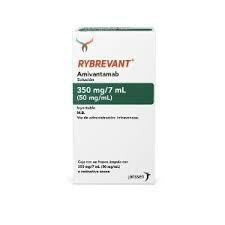
The researchers explained that Cohorts 1 and 6 of PALOMA-2 "showed promising efficacy and safety profiles" for first-line subcutaneous evantuzumab combined with Lazertinib (Lazertinib) every 2 weeks for the treatment of EGFRm NSCLC. Cohort 4 of PALOMA-2 included participants who previously received intravenous evantumumab every 2 weeks "as part of standard of care, the expanded access program, or an extension of ≥8 weeks from a long-term extension study, without dose reduction and evidence of progressive disease."
Patients in Cohort4 were switched to subcutaneous injections of evantumumab (1600 mg; ≥80 kg; 2240 mg) every 2 weeks via "manual abdominal injection". The study's primary endpoint is safety and the secondary endpoint is "patient satisfaction with treatment as reported by the Modified Treatment Management Satisfaction Questionnaire"
The results showed that as of October 2024, 25 patients had received subcutaneous evantumumab after switching from intravenous to subcutaneous evantumumab. The median treatment duration was 3.1 months with intravenous administration and 7.4 months with subcutaneous administration. The median follow-up time after the first subcutaneous injection was 9.7 months.
The results showed safety after switching to subcutaneous dosing "Consistent with previous reports," indicating a reduced ARR compared with previous intravenous data. Additionally, most adverse events were graded 1 to 2, with the most common adverse events including paronychia (44%), rash (40%), and hypoalbuminemia (40%). Only one patient discontinued treatment due to toxicity due to interstitial lung disease.
Additionally, the researchers used pharmacokinetic simulations to compare exposure from reduced-dose subcutaneous and intravenous injections and found that the reduced-dose regimen supported switching to subcutaneous evantumumab. They noted that the majority of patients (83%) reported the "convenience" of subcutaneous evantumumab, with only 8% preferring intravenous to subcutaneous injection in cycle 1.
The researchers concluded:“Based on these preliminary findings, it is feasible and safe to transfer evantumumab from intravenous to subcutaneous injection.
References:https://www.cancernursingtoday.com/post/paloma-2-initial-report-details-patient-experiences-of-subcutaneous-amivantamab-after-iv-administration-in-advanced-egfr-mutated-nsclc
[ 免责声明 ] 本页面内容来自公开渠道(如FDA官网、Drugs官网、原研药厂官网等),仅供持有医疗专业资质的人员用于医学药学研究参考,不构成任何治疗建议或药品推荐。所涉药品可能未在中国大陆获批上市,不适用于中国境内销售和使用。如需治疗,请咨询正规医疗机构。本站不提供药品销售或代购服务。


