
.jpeg)
Guidance on how to safely discontinue febuxostat/phebuxostat
Febuxostat (Febuxostat) is a drug that treats hyperuricemia and gout, and its management when discontinuing the drug is also crucial. Improper discontinuation of medication may result in a rapid increase in blood uric acid levels, leading to gout attacks or other complications. Therefore, when deciding to discontinue febuxostat, patients should follow their physician's guidance and take appropriate measures to ensure the safety of the drug discontinuation process.
First, if a patient plans to stop taking febuxostat, the dose of the drug should be gradually reduced rather than stopped abruptly. Stopping the drug suddenly may cause uric acid levels in the body to rise rapidly, triggering a gout attack. Gradually reducing the dosage can gradually return the uric acid level to the normal range and avoid adverse reactions caused by sharp fluctuations. During the medication reduction process, the doctor may adjust the speed and method of dose reduction based on the patient's condition and uric acid level.
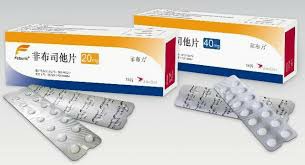
Secondly, patients need to closely monitor blood uric acid levels during drug withdrawal. By regularly checking the uric acid concentration in the blood, you can ensure that a patient's uric acid levels do not rise too quickly while discontinuing the drug. If uric acid levels are found to be abnormally elevated, your doctor may consider restarting treatment or adjusting your treatment plan to keep uric acid levels stable.
In some cases, doctors may recommend alternative medications to help keep blood uric acid levels stable. For example, for patients who have been treated with febuxostat, doctors may recommend using other types of urate-lowering drugs, such as allopurinol, to replace febuxostat to avoid recurrence of symptoms after the drug is discontinued.
In addition, patients need to pay attention to the prevention of gout attacks after stopping the drug. During drug withdrawal, the risk of gout attacks may increase due to fluctuations in blood uric acid levels. Patients should pay attention to avoid excessive intake of high-purine foods (such as seafood, red meat, etc.) in the diet, and maintain appropriate hydration to help excrete excess uric acid.
Reference materials:https://www.drugs.com
[ 免责声明 ] 本页面内容来自公开渠道(如FDA官网、Drugs官网、原研药厂官网等),仅供持有医疗专业资质的人员用于医学药学研究参考,不构成任何治疗建议或药品推荐。所涉药品可能未在中国大陆获批上市,不适用于中国境内销售和使用。如需治疗,请咨询正规医疗机构。本站不提供药品销售或代购服务。


