
.jpeg)
Clinical efficacy and resistance time of ponatinib
Ponatinib (Ponatinib) is an oral third-generation tyrosine kinase inhibitor (TKI), mainly used to treat chronic myelogenous leukemia (CML) and Philadelphia chromosome-positive acute lymphoblastic leukemia (Ph+ ALL), especially suitable for patients who are resistant or intolerant to previous generation TKIs such as imatinib, dasatinib or nilotinib. Ponatinib blocks leukemia cell proliferation and survival by inhibiting BCR-ABL and its resistance mutations (including T315I mutations), thereby achieving significant molecular and cellular remission.
Clinical studies have shown that ponatinib has a high efficacy in refractory CML patients. For patients with chronic phase CML, complete molecular remission (CMR) and complete cytological remission (CCy R) is significantly better than the previous generation TKI, among which patients with T315I mutation can also achieve significant remission. For acute or accelerated phaseCML andPh+ In patients with ALL, ponatinib can reduce the leukemia burden in the short term, prolong progression-free survival (PFS) and overall survival (OS), and provide new treatment options for refractory patients.
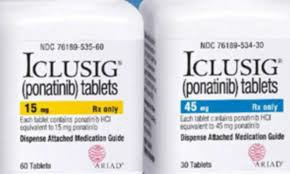
Regarding the time of resistance, although ponatinib can overcome mostBCR-ABL mutations, some patients may still develop drug resistance or disease progression during long-term treatment. Studies have shown that for patients with CML in the chronic phase, some patients may develop drug resistance after using 6–12 months, and the resistance mechanism needs to be evaluated through mutation analysis. Resistance may be related toBCR-ABL compound mutations and drug absorption/Metabolic differences or combined with poor treatment compliance are related. Therefore, molecular indicators and blood images need to be monitored regularly during the treatment process, and the treatment plan needs to be adjusted in a timely manner.
In clinical practice, ponatinib efficacy and resistance management need to be combined with individualized strategies. Physicians usually adjust the dose based on the severity of the disease, type of mutation and blood drug concentration, while monitoring cardiovascular risks and hematological toxicity to optimize efficacy and reduce adverse reactions. Overall, ponatinib has shown potent molecular and cytological remission capabilities in patients with refractory CML and Ph+ ALL and can delay the development of drug resistance, but close follow-up and individualized management are still needed to achieve a balance between long-term efficacy and safety.
Reference materials:https://www.drugs.com/
[ 免责声明 ] 本页面内容来自公开渠道(如FDA官网、Drugs官网、原研药厂官网等),仅供持有医疗专业资质的人员用于医学药学研究参考,不构成任何治疗建议或药品推荐。所涉药品可能未在中国大陆获批上市,不适用于中国境内销售和使用。如需治疗,请咨询正规医疗机构。本站不提供药品销售或代购服务。


