
.jpeg)
Classification and treatment advantages of cobimetinib (cobimetinib) targeted drug and clinical research progress
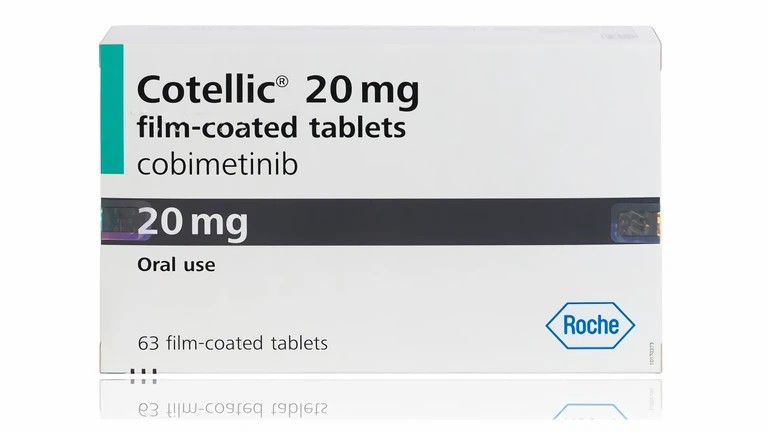
Cobimetinib (Cobimetinib) is an oral small molecule MEK inhibitor, which is a MEK1/2 inhibitor among targeted drugs targeting the MAPK signaling pathway. By inhibiting the key downstream protein MEK of the MAPK pathway, cobimetinib can block the proliferation and survival signals of tumor cells, which is especially suitable for melanoma patients carrying BRAF V600 mutations. This type of targeted drugs is different from traditional chemotherapy. By selectively acting on abnormal signaling pathways, it can inhibit tumors while reducing damage to normal cells.
In terms of therapeutic advantages, cobimetinib is often used in combination with BRAF inhibitors (such as vemurafenib and dabrafenib) to achieve dual-target inhibition. Research shows that this combination regimen not only significantly improves the tumor response rate (ORR), but also extends the progression-free survival (PFS) and overall survival (OS), while reducing the incidence of common skin adverse reactions, such as rash and cutaneous squamous cell carcinoma, in single-agent BRAF inhibitor treatment. In addition, this combination also shows certain efficacy in patients with brain metastases because cobimetinib has certain penetration ability into the central nervous system.
In terms of clinical research, key trials include thecoBRIM study and other international multi-center phase III clinical trials. coBRIMResearch shows that carrying BRAF When patients with V600mutated advanced melanoma receive combined treatment with cobimetinib and vemurafenib, the overall response rate is as high as around 70%, and the progression-free survival period is significantly extended to 12 months. The efficacy is better than that of monotherapy. At the same time, the safety of this regimen is controllable. Common adverse reactions include diarrhea, rash, elevated serum enzymes and photosensitivity reactions, most of which are mild to moderate and can be managed through dose adjustment or symptomatic treatment.
In addition, exploratory studies of cobimetinib in other BRAF mutation-related cancers are also ongoing, such as BRAF mutated colorectal cancer, non-small cell lung cancer, etc. Researchers are evaluating its potential in combination with other targeted drugs or immunotherapies to extend efficacy and improve drug resistance. Overall, as a MEK inhibitor, cobimetinib has shown obvious therapeutic advantages by targeting the MAPK pathway, especially in BRAF mutated melanoma. It has achieved breakthrough results, providing a reliable option for targeted combination therapy.
Reference materials:https://www.drugs.com/
[ 免责声明 ] 本页面内容来自公开渠道(如FDA官网、Drugs官网、原研药厂官网等),仅供持有医疗专业资质的人员用于医学药学研究参考,不构成任何治疗建议或药品推荐。所涉药品可能未在中国大陆获批上市,不适用于中国境内销售和使用。如需治疗,请咨询正规医疗机构。本站不提供药品销售或代购服务。


