
.jpeg)
Will taking Apremilast (Otelor) for 5 days and stopping for 3 days affect the efficacy and precautions?
Apremilast is an oral small molecule phosphodiesterase 4 (PDE4) inhibitor, mainly used to treat moderate to severe plaque psoriasis and psoriatic arthritis. It inhibits PDE4 activity and increases intracellular cAMP levels, thereby regulating the expression of inflammatory factors and reducing the inflammatory response of skin and joints. In clinical practice, this drug usually needs to be taken regularly every day to maintain a stable blood concentration and achieve sustained efficacy.
Apremilast adopts an intermittent schedule of taking 5 days and stopping 3 days, which may have a certain impact on the efficacy. Intermittent medication will cause blood drug concentrations to fluctuate, making the drug unable to continuously inhibit the inflammatory signaling pathway during drug withdrawal, which may reduce the symptom control effect and delay the improvement of skin lesions or joint symptoms. Clinical studies have shown that maintaining stable blood concentration is crucial for the efficacy of apremilast, and intermittent use may not achieve sustained and effective immunomodulatory effects.
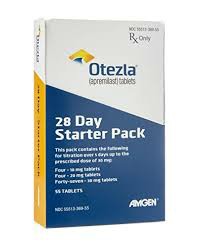
In terms of safety, apremilast is generally well tolerated, and common adverse reactions include diarrhea, nausea, headache, and upper respiratory tract infection. Intermittent medication may reduce the incidence of some short-term adverse reactions, but it may also lead to fluctuations in efficacy and repeated aggravation of symptoms. Therefore, patients should weigh efficacy and tolerability when adjusting their medication regimen, and it is best to do so under the guidance of a professional doctor rather than changing the frequency of medication on their own.
In general, taking apremilast regularly according to the recommended dose every day is the key to ensuring the efficacy. The regimen of taking 5 days and stopping 3 days is usually not conducive to long-term disease control and may affect symptom improvement and skin damage recovery. Patients should adhere to continuous medication as directed by the doctor, regularly review skin and joint conditions, and report adverse reactions in a timely manner. Doctors can evaluate whether dosage adjustment or other auxiliary measures are needed based on patient tolerance and treatment goals to ensure stable, safe and controllable efficacy.
Reference materials:https://www.drugs.com/
[ 免责声明 ] 本页面内容来自公开渠道(如FDA官网、Drugs官网、原研药厂官网等),仅供持有医疗专业资质的人员用于医学药学研究参考,不构成任何治疗建议或药品推荐。所涉药品可能未在中国大陆获批上市,不适用于中国境内销售和使用。如需治疗,请咨询正规医疗机构。本站不提供药品销售或代购服务。


